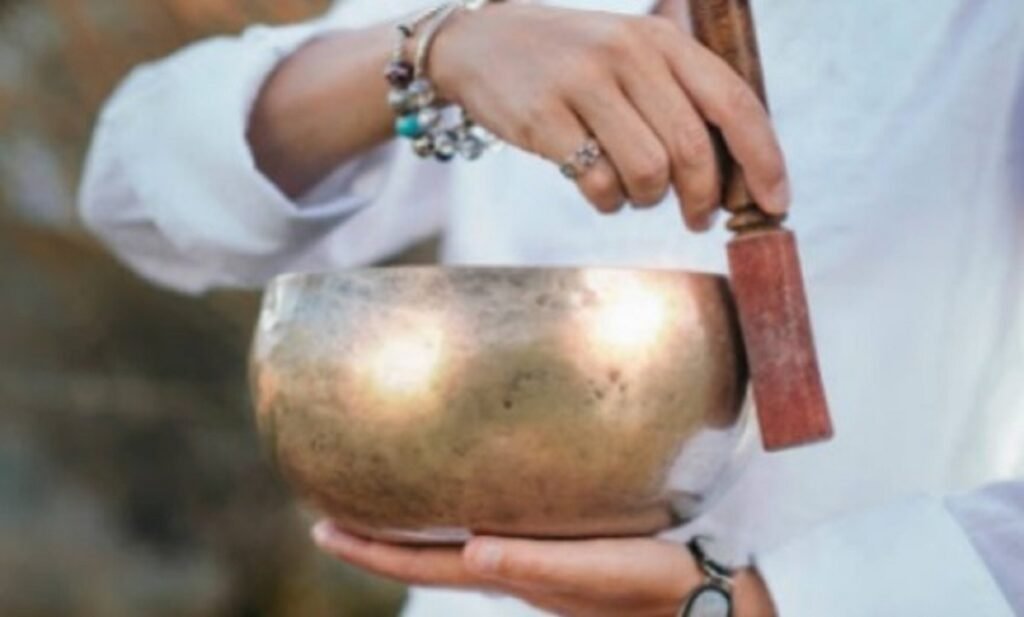
Feeling stressed or in need of a mental break? Tibetan singing bowls are increasingly being used as a simple way to promote relaxation and meditation.Often called ‘standing bells’ or Himalayan bowls, singing bowls are traditionally made from metals such as copper and tin. When struck with a mallet or played around the rim, they produce a deep, sustained tone that practitioners use during meditation and sound therapy.
A Tradition With Ancient Roots
The exact origin of singing bowls remains uncertain. Some traditions associate them with the spread of Buddhism to Tibet, while others trace their history to ancient China. In Tibetan culture, the bowls are also linked to the Bon tradition and are regarded by some as sacred objects.
How to Use a Singing Bowl
A bowl can be placed on an open palm and gently struck with a mallet. Alternatively, the mallet can be moved around the rim to create a continuous tone. Some practitioners also add water to the bowl to produce different vibrations. During meditation, users are encouraged to focus on the sound while relaxing their mind and body.
Sound, Meditation and Relaxation
Singing bowls play an important role in sound-based meditation and traditional spiritual practices. Practitioners believe their vibrations can help calm the mind, improve concentration and support a deeper meditative state.While scientific evidence for claims about healing and chakra balancing remains limited, the soothing sounds may provide relaxation in much the same way as calming music.
Where to Find Them in Bhutan
Singing bowls are widely available at souvenir and handicraft shops in Thimphu and Paro, where visitors can find them in different shapes, sizes and designs. For many people, choosing a bowl is as much about its sound and personal connection as its appearance.