Bhutan’s education system is distinctive for combining academic learning with national culture, Buddhist values and social responsibility. Children traditionally begin pre-primary education at around six years of age and progress through primary and secondary education before entering the Gyalsung National Service at adulthood.
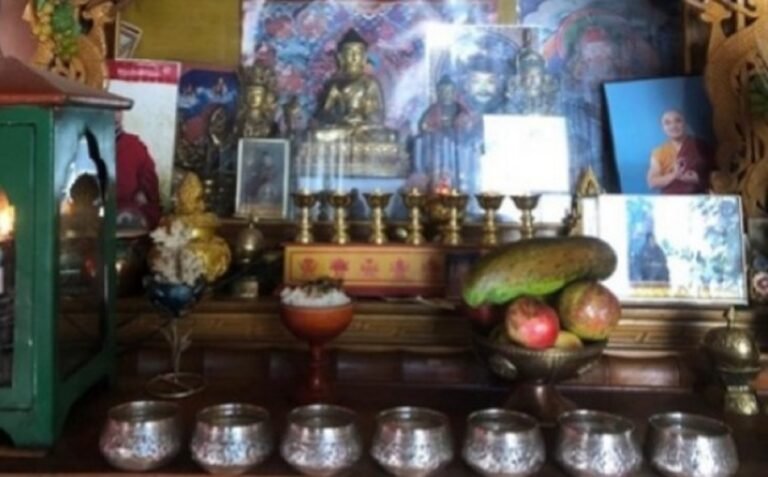
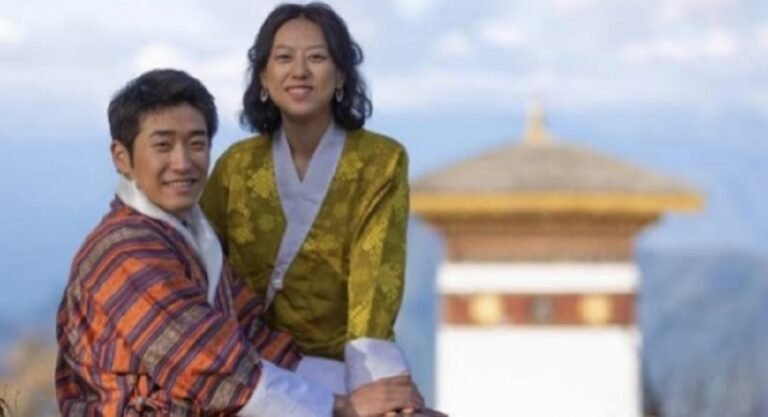
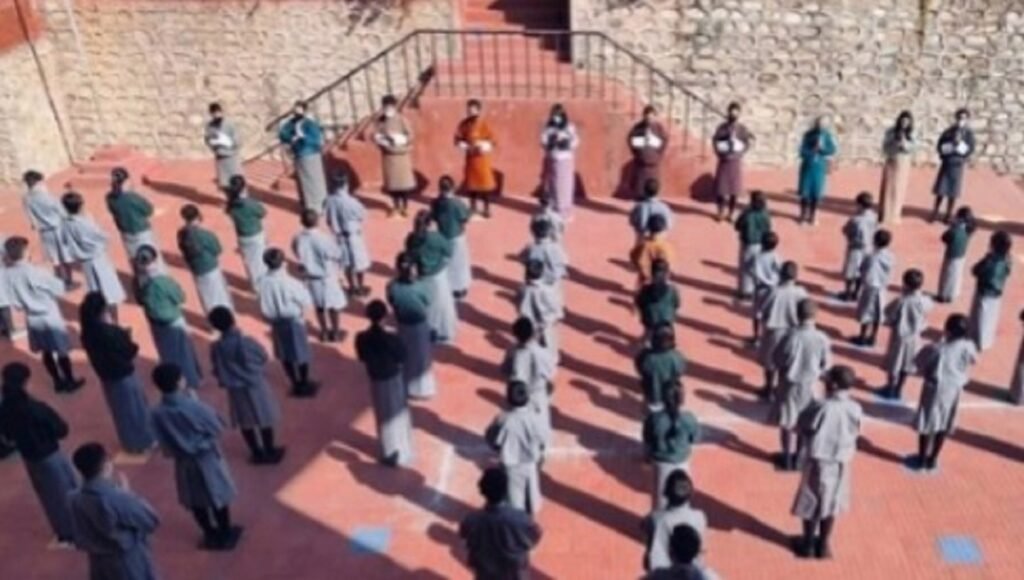
One of the most visible features of Bhutanese school life is the use of the national dress as the school uniform. Boys wear the gho while girls wear the kira, helping instil cultural pride from an early age. Morning assemblies and prayers are also an important part of school routines. Students traditionally recite prayers to Jampelyang, or Manjushree, the Buddha of Wisdom, before beginning their lessons. The practice is intended to encourage discipline, concentration and respect for Buddhist traditions.
Bhutanese schools also emphasise social and environmental responsibility through cultural and nature clubs, tree-planting programmes and other community activities. Students are encouraged not only to participate but also to take responsibility for their work. Another key feature is free access to education. The government provides equitable access to quality schooling through the 12th standard as part of its broader Gross National Happiness philosophy. Although students generally pay little for education, some children in remote areas still have to travel long distances because of Bhutan’s difficult mountainous terrain.
Together, cultural traditions, community service and accessible education are designed to help Bhutanese students develop not only academically but also as responsible and socially conscious citizens.