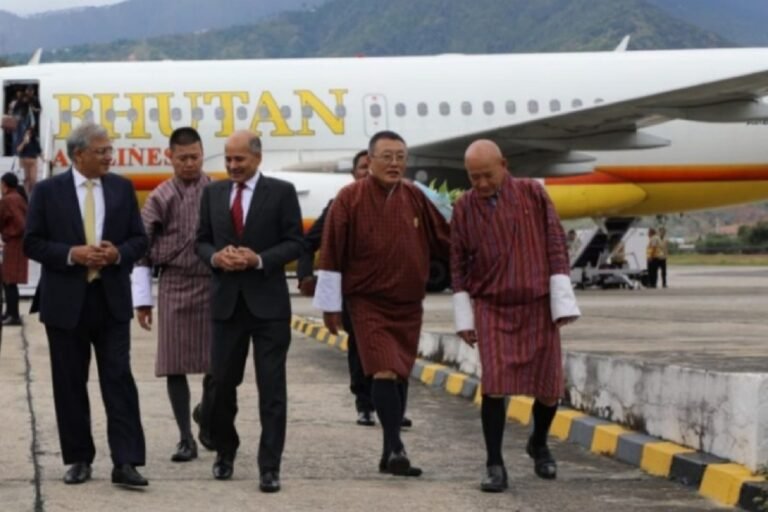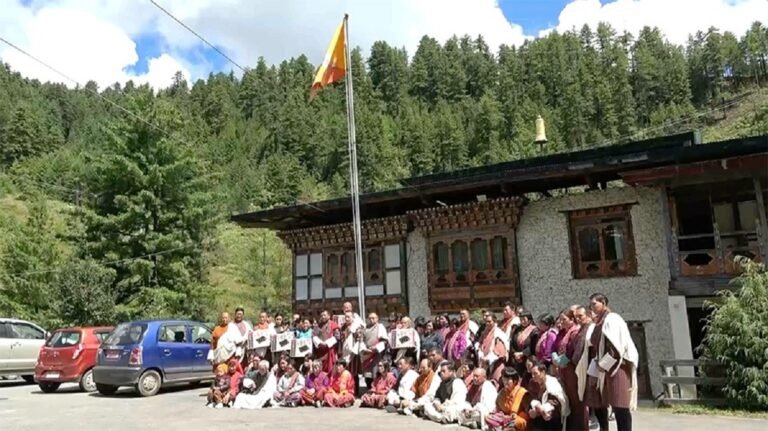
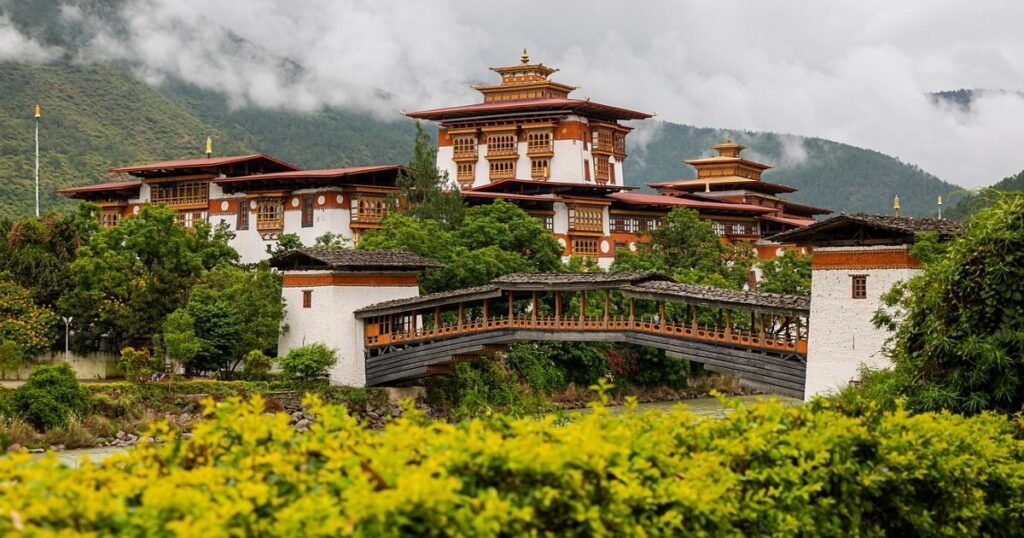
Forty years ago, a unique bond was formed when citizens in Germany founded a society dedicated to Bhutan—not for economic gain, but out of profound curiosity for a nation charting a radically different path to progress. On May 30, 2026, this enduring connection was celebrated alongside Bhutanese Ambassador Tshoki Choden and Foreign Minister Lyonpo D. N. Dhungyel, marking four decades of cultural exchange and mutual learning.
Yet, Bhutan’s relevance today extends far beyond historical milestones or its status as a fascinating travel destination. As modern societies navigate relentless pressure to modernize, change, and succeed, the Himalayan kingdom offers a stabilizing blueprint. At the heart of its philosophy is Gross National Happiness—a concept pioneered by the Fourth King, asserting that holistic well-being is more important than Gross Domestic Product. Far from rejecting economic growth, this framework measures true progress by balancing development with cultural preservation, mental well-being, and ecological responsibility.
This long-term vision is embodied by the current monarch, King Jigme Khesar Namgyel Wangchuck. His leadership emphasizes a rare, genuine presence and a deep attentiveness to the future of young people, economic prospects, and social evolution. While Western nations historically prioritized rapid industrialization, Bhutan dared to ask what kind of society it actually wanted to build. Today, its structured development model proves that preserving cultural identity amid globalized change is not only possible, but necessary.
As the world faces unprecedented systemic challenges, Bhutan’s forty-year journey reminds us that true advancement is not measured by wealth alone, but by the sustainable happiness and resilience of its people.