US Central Command confirms it intercepted six of seven ballistic missiles fired from Iran toward Kuwait and Bahrain on Friday night. The remaining missile failed to reach its target. This escalation followed the downing of four Iranian attack drones heading toward the critical Strait of Hormuz waterway. In response to the missile launches, US forces launched targeted strikes against Iranian coastal surveillance radar sites in Goruk and on Qeshm Island.
Iran’s Islamic Revolutionary Guard Corps claimed responsibility, stating the strikes were retaliation for prior US actions. The IRGC also admitted to targeting four oil tankers attempting to cross the heavily restricted Strait of Hormuz without prior coordination. Observers note this military flare-up acts as a aggressive warning from Tehran as indirect, US-led interim peace talks completely stall over sanctions waivers and nuclear program concessions.
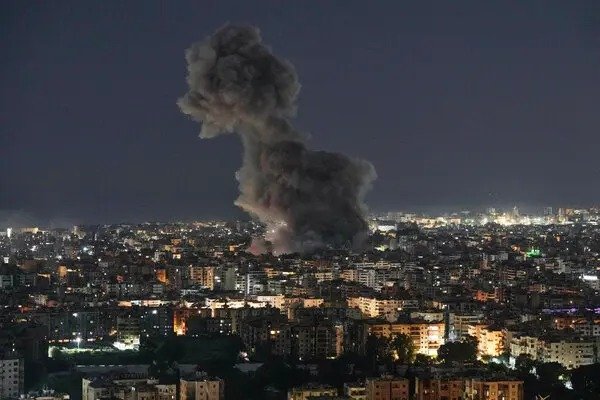
Meanwhile, the conflict is expanding on a second front. In southern Lebanon, an Israeli airstrike hit a military vehicle on the Khardali-Nabatieh road, killing several Lebanese army soldiers, including an officer. While the Lebanese national army has historically remained neutral to avoid confrontation, Israel’s ongoing campaign against Iran-backed Hezbollah forces continues to spill over, devastating local infrastructure and claiming military lives.
Diplomatic friction is also rising. Iranian Foreign Minister Abbas Araghchi fiercely rejected claims by Lebanese President Joseph Aoun that Beirut is being used as a political bargaining chip in Tehran’s high-stakes negotiations with Washington. With Hezbollah leadership currently rejecting US-brokered ceasefire proposals, the region remains locked in a dangerous cycle of immediate, forceful retaliation.