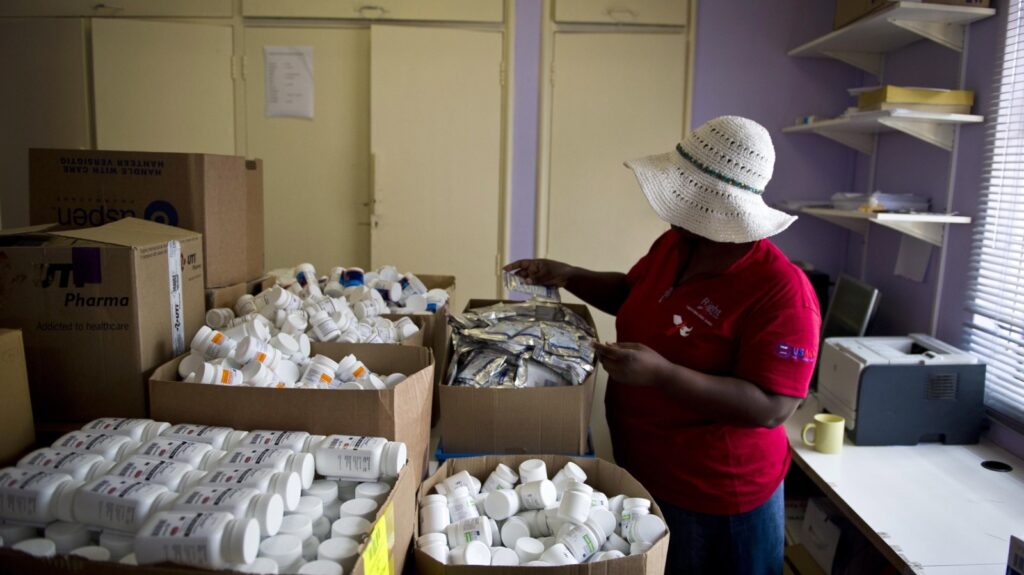
The United States has announced plans to phase out funding for HIV and Aids programmes in South Africa, marking a significant shift in a partnership that has supported the country’s public health efforts for more than two decades. South Africa has the world’s largest HIV-positive population, with more than eight million people living with the virus.
Through the President’s Emergency Plan for AIDS Relief (Pepfar), the US had been contributing approximately $400 million annually, accounting for nearly one-fifth of South Africa’s HIV programme spending. However, a US State Department official confirmed that a phased withdrawal of funding will now begin, citing South Africa’s failure to meet certain policy expectations outlined by the current administration.
The decision comes amid increasingly strained relations between Washington and Pretoria. The Trump administration has repeatedly criticised South African policies, alleging discrimination against the white-minority Afrikaner community. South Africa has strongly rejected these claims, maintaining that its economic empowerment policies are designed to address inequalities rooted in the apartheid era.
South Africa’s Health Ministry said it had not received formal notification of the funding withdrawal but noted that the country has been developing a long-term self-reliance strategy for its HIV response.
US officials argued that South Africa, as a middle-income nation, has the capacity to finance its own health programmes. Despite concerns over the impact of the decision, South African authorities have expressed confidence in their ability to continue providing essential HIV treatment and prevention services.