The relentless tension in the Middle East saw a sudden reprieve today as global oil prices plummeted and equity markets soared. The shift in sentiment followed optimistic remarks from President Donald Trump, who cited “great progress” in ongoing diplomatic discussions aimed at reaching a permanent settlement with Iran. This pivot toward a potential peace deal triggered a massive sell-off in energy futures; Brent crude, the international standard, dove 8% to settle near $101 a barrel, while the US benchmark, West Texas Intermediate (WTI), suffered an even steeper 9.2% drop to $92.80. Investors, who had previously priced in a prolonged disruption of Gulf energy supplies, are now recalibrating for a scenario where Iranian crude returns to the global market unfettered.
The easing of geopolitical friction acted as a powerful catalyst for risk assets worldwide. On Wall Street, futures for the S&P 500, Dow Jones, and Nasdaq all surged, signaling a robust opening after the S&P 500 hit a fresh record high during the previous session. European markets mirrored this enthusiasm, with London’s FTSE 100, Germany’s DAX, and the Paris CAC 40 all climbing more than 2%. The bullish mood was a direct carry-over from a historic session in Asia, where the South Korean Kospi led the region with a 6.45% jump. That rally was spearheaded by Samsung Electronics, which saw its shares skyrocket by 14.4%, propelling its market capitalization above the $1 trillion mark for the first time in history.
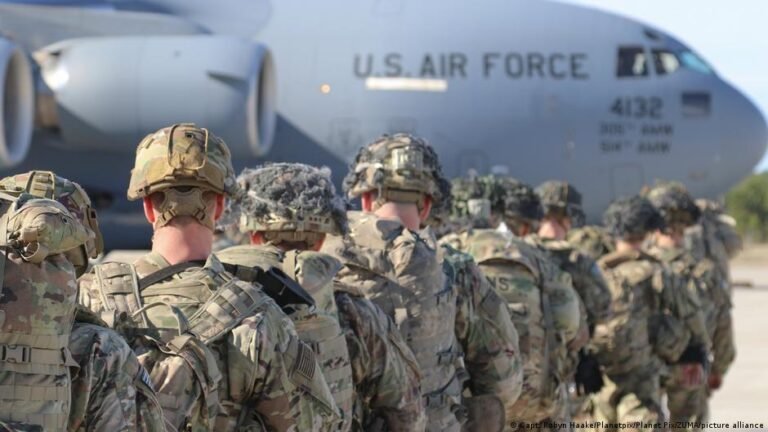
This wave of optimism stems from a strategic shift in Washington. President Trump recently paused “Project Freedom,” a plan to utilize US naval assets to escort commercial tankers through the volatile Strait of Hormuz. While the waterway had been a site of renewed hostiles and attacks on energy infrastructure, the move to prioritize diplomacy over military force has provided the first real sign of a de-escalation. However, market experts remain cautious. Analysts at ING warned that while the current “peace dividend” is lifting stocks, the path to a formal treaty remains fraught with uncertainty. Until a signatures are on a permanent deal, the energy sector is likely to remain a theater of high volatility.