In the remote highlands of eastern Bhutan, the three-day “Great Yeti Quest” festival has brought together folklore, culture, and community life in a celebration centred around the legendary Migoi — the mythical creature believed by the Brokpa people to inhabit the mountains of Merak and Sakteng.
The festival, which began on May 8 in Sakteng Dungkhag, is being organised by the local administration with support from the Department of Tourism (DoT) under the Economic Stimulus Programme. Officials say the event is part of broader efforts to diversify Bhutan’s tourism sector and promote lesser-known regions of the country.
For generations, the semi-nomadic Brokpa communities have preserved stories of the Migoi through oral traditions. Elders recount tales of mysterious footprints in the snow and encounters with a towering creature said to roam the rugged Himalayan valleys.
One well-known local legend tells of a villager returning from a monastery who reportedly encountered a Migoi along a remote mountain trail. According to oral history, the villager never returned home, with footprints in the snow remaining the only trace of the encounter.
While the Migoi remains deeply embedded in Brokpa cultural identity, there is no scientific evidence supporting the existence of the creature.
Local resident Dhendup Tshering, 57, said he had never personally seen the Migoi but had heard stories from villagers who claimed to have witnessed footprints or sightings in the mountains.
More than a thousand people, including international tourists, attended the opening day of the festival.
Unlike conventional festivals held at designated grounds, the Great Yeti Quest follows an “as is, where is” concept, according to Sakteng Drungpa Kezang Jamtsho. Events are spread throughout the village landscape, allowing visitors to experience Brokpa traditions directly within the community.
Visitors were welcomed with traditional songs, dances, storytelling sessions, and cultural performances showcasing the unique lifestyle of the highland Brokpa people. Food stalls and exhibition spaces were also set up inside and around traditional Brokpa houses, giving tourists a closer experience of local architecture and hospitality.
One of the highlights of the second day was the Yeti Run, which attracted participants of different age groups and added excitement to the festival atmosphere.
Another major attraction was the traditional Brokpa house consecration ceremony, a rarely witnessed ritual reflecting the spiritual beliefs and customs of the community.
Officials said the festival is also intended to create sustainable economic opportunities for local residents, many of whom traditionally depend on livestock herding — a livelihood increasingly affected by climate change and shrinking pastureland.
The event is expected to support local businesses, homestays, and the sale of traditional products such as hard cheese and butter.
“Sakteng is a remote village. People hardly come to visit,” said local resident Dema Yangzom. “The festival attracts visitors from all over the country. When visitors come, we share our culture and learn about theirs.”
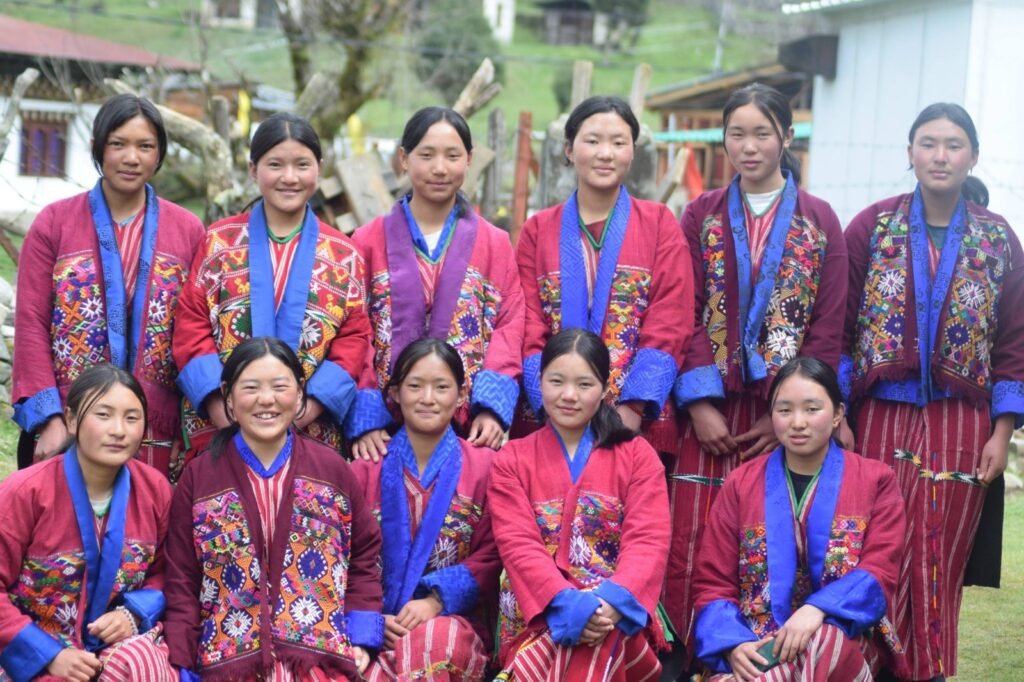
Local shopkeeper Thukten Lhamo said the festival may also help preserve traditional attire among younger generations.
“People wearing local attire have been decreasing over the years. This festival helps bring that culture back,” she said.
During the celebrations, the Garden of Patriotism was also inaugurated in honour of Their Majesties’ Royal Visit to Sakteng in 2015.
Singye Rinchen, a tourism officer with the Department of Tourism, said promoting awareness of eastern Bhutan among tour operators and travel guides is important for developing the region as a sustainable tourism destination.
“With its blend of mythology, culture, and nature, we hope the festival will help place Sakteng on Bhutan’s tourism map in the years ahead,” he said.