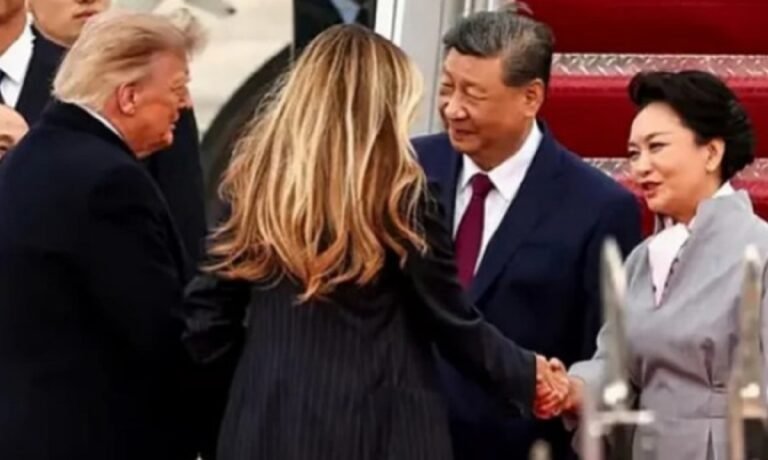
In a move that has sent shockwaves through the NATO alliance, President Donald Trump has ordered the immediate withdrawal of 5,000 U.S. troops from Germany. The decision, announced by the Pentagon on Friday, follows a period of escalating diplomatic friction between Washington and its European allies over the ongoing war in Iran. The withdrawal is seen as a direct response to recent comments by German Chancellor Friedrich Merz, who characterized the U.S. military strategy in the Persian Gulf as a “humiliation” and criticized the lack of a clear exit plan.
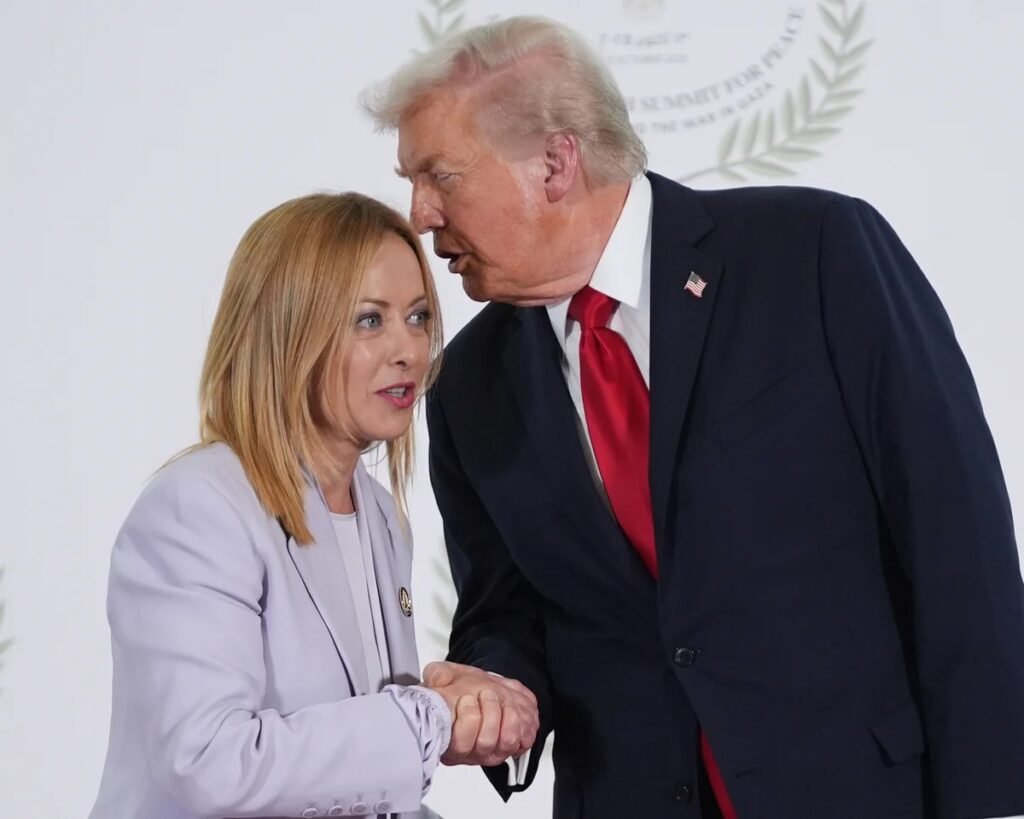
The tensions are not confined to Berlin. In a series of candid remarks, President Trump suggested that Italy and Spain could be the next to see a reduction in American military presence. “Italy has not been of any help to us, and Spain has been absolutely horrible,” the President told reporters, citing their refusal to provide military support or allow the use of domestic bases for operations against Tehran. Spain, in particular, has remained a vocal critic of the conflict, with leadership in Madrid explicitly denying the U.S. permission to use jointly operated facilities for strikes.
Despite this strategic pivot away from traditional European basing, the Trump administration is simultaneously intensifying diplomatic pressure on its allies to assist in a high-stakes maritime mission. Washington is seeking a multinational coalition to forcibly reopen the Strait of Hormuz, which has remained largely paralyzed since the conflict began in February. While Iran has maintained a partial blockade in response to U.S. naval pressure, global oil prices have spiked to four-year highs, topping $126 a barrel.
The White House finds itself in a paradoxical position: demanding greater logistical and military contributions from European partners while simultaneously stripping away the security guarantees that have defined the trans-Atlantic relationship for decades. As the Pentagon prepares to execute the troop drawdown over the next six to twelve months, the rift within NATO threatens to undermine the very “international coalition” the U.S. hopes to lead in the Middle East.