New Zealand Court Dismisses Christchurch Attacker’s Appeal Bid
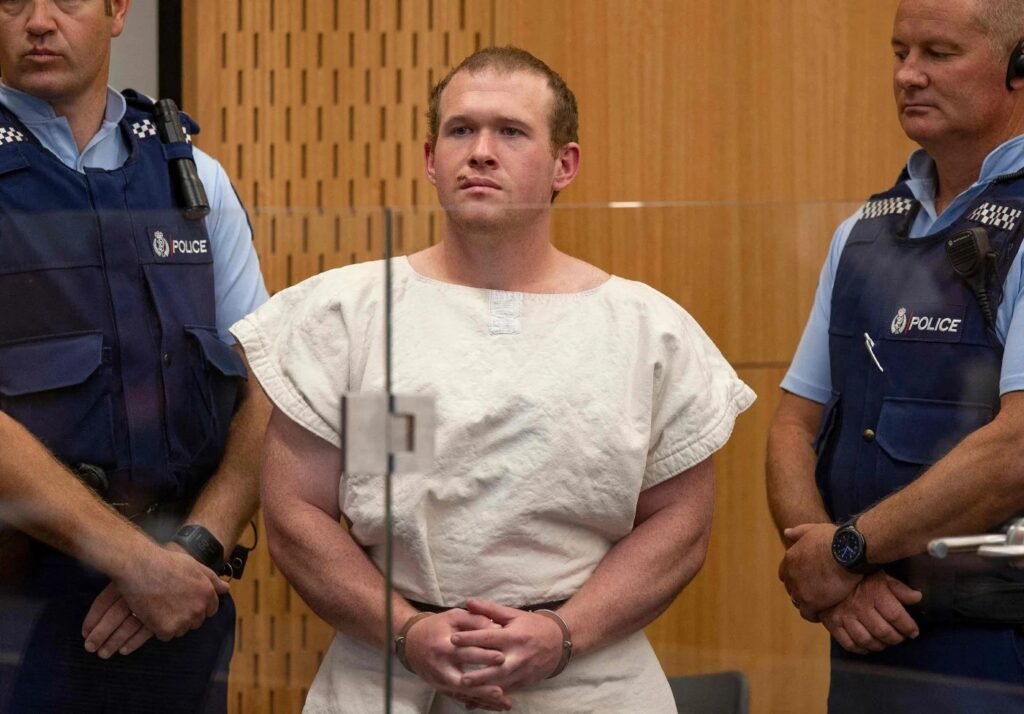
The legal saga surrounding New Zealand’s deadliest mass shooting reached a definitive conclusion this week as the Court of Appeal rejected an attempt by the perpetrator to overturn his convictions. Brenton Tarrant, the 35-year-old Australian national responsible for the 2019 Christchurch mosque attacks, had sought to withdraw his guilty pleas, claiming they were made under duress and “inhumane” prison conditions. However, the judicial panel dismissed the application in a unanimous ruling, describing the arguments as “utterly devoid of merit.”
Tarrant is currently serving a sentence of life imprisonment without the possibility of parole—the first of its kind in New Zealand history—for the murder of 51 worshippers and the attempted murder of 40 others. During the February hearing, he alleged that his mental state at the time of the 2020 plea was compromised by “torturous” conditions while in solitary confinement. The court firmly refuted these claims, stating that the evidence showed his pleas were calculated and voluntary. The judges emphasized that Tarrant failed to identify any viable legal defense, concluding that the facts of the massacre remain “beyond dispute.”
The news brought a sense of closure and relief to the survivors and the families of the victims. Aya al-Umari, whose brother Hussein was killed in the Al Noor mosque, expressed that while the appeal process forced many to relive their trauma, the court’s decision offers a necessary layer of reassurance. For many in the Muslim community, the ruling reaffirms that justice is being upheld and that the focus can finally return to healing rather than legal maneuvers.
The March 2019 attacks, which targeted the Al Noor and Linwood Islamic centers, fundamentally altered New Zealand’s social and legislative landscape. In the immediate aftermath, the government moved with unprecedented speed to ban military-style semi-automatic weapons and established a national buy-back program. As Tarrant remains behind bars for the remainder of his life, this latest ruling serves as a final judicial seal on a dark chapter, ensuring that the focus remains on the resilience of the victims rather than the rhetoric of the perpetrator.