Bhutan, despite being one of Asia’s smallest economies, is developing a unique investment environment focused on sustainability, transparency, and long-term stability. Since the introduction of its first Foreign Direct Investment (FDI) policy in 2002, Bhutan has aimed to integrate with the global economy while safeguarding key national interests.
The country has updated its FDI Rules and Regulations for 2025 to create a clearer investment framework that enhances transparency and simplifies the regulatory environment. Notably, it allows up to 100 percent foreign ownership in specific priority sectors, encouraging international investment while mostly safeguarding national interests through clearly defined categories: fully foreign-owned activities, joint ventures, and restricted sectors.
To facilitate foreign investments, Bhutan has established a structured approval process, starting with the submission of an FDI registration application. After reviewing the application, an FDI Registration Certificate is granted, and investors must submit a detailed project proposal, which may require additional sector-specific licenses and environmental approvals. This comprehensive process ensures transparency and provides investors with a clear understanding of Bhutan’s regulatory landscape.
Bhutan’s economic policies hinge on the philosophy of Gross National Happiness (GNH), which prioritizes sustainable development and environmental protection alongside economic growth. This alignment, especially as Bhutan aims to position itself as the world’s first carbon-negative country, attracts foreign investors interested in environmentally responsible projects, particularly in renewable energy, sustainable tourism, and organic agriculture.
The investment framework encourages participation in various sectors such as renewable energy, tourism, agro-processing, and health services, supported by fiscal incentives including tax holidays, reduced corporate tax rates, and exemptions on duties, all designed to promote long-term, sustainability-aligned projects.
Environmental stewardship is paramount, with regulations in place requiring investors to secure land and environmental clearances as necessary, reinforcing Bhutan’s commitment to ecological preservation. While investors can benefit from attractive incentives, they are also subject to the overarching tax structure that mandates compliance with Bhutan’s tax laws.
Challenges persist for investors, including a small domestic market, infrastructural limitations, and access to finance issues. However, Bhutan plans to bolster its private sector investment to 60 percent of GDP by 2029 through events like the Invest Bhutan Summit 2026, which aims to showcase investment opportunities, attract over Nu. 55 billion (USD 660 million) in capital, and promote partnerships between foreign investors and local businesses.
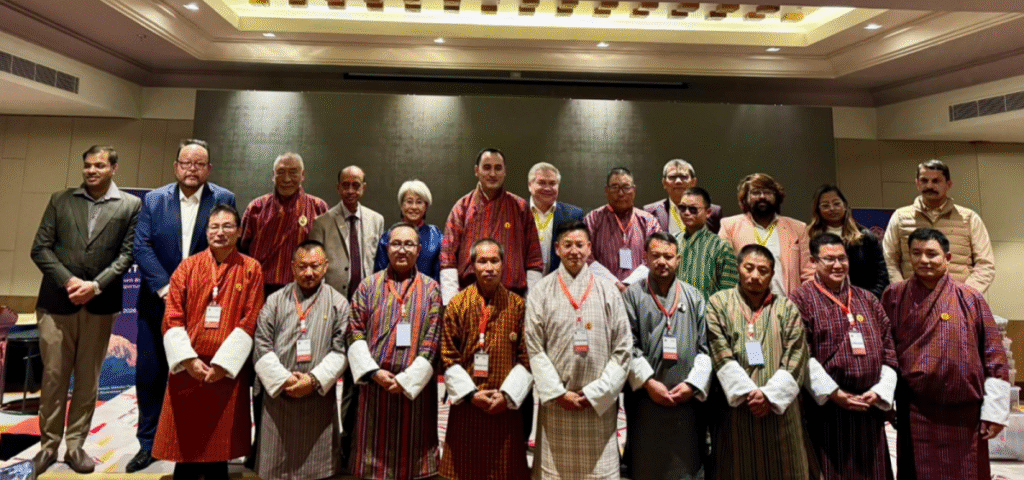
Ultimately, Bhutan’s unique combination of political stability, environmental leadership, and a strong governance framework appeals to investors seeking long-term, values-driven capital. The Invest Bhutan Summit marked a significant step in promoting Bhutan as an attractive investment destination, aiming to foster sustainable growth and job creation across various sectors.
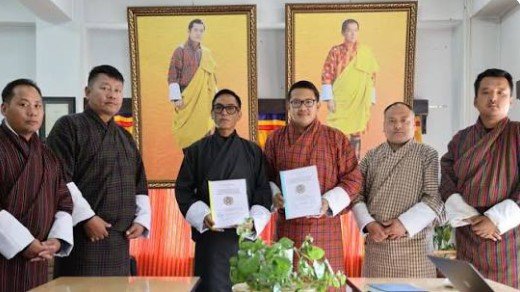
Bhutan’s investment strategy, guided by Gross National Happiness, aims to leverage its competitive advantages, including abundant renewable energy, in a market of over two billion people. The recent summit concluded with eight Memoranda of Understanding (MoUs) for 26 investment-ready projects, focusing on agribusiness, tourism, information technology, and renewable industries. Notable projects include Drugyal Selchhu and Shiitake Mushroom initiatives. The summit is intended to initiate a continuous investment pipeline, with government agencies supporting project development and monitoring progress. If successful, the Invest Bhutan Summit 2026 could significantly contribute to Bhutan’s goal of becoming a high-income, sustainable economy.