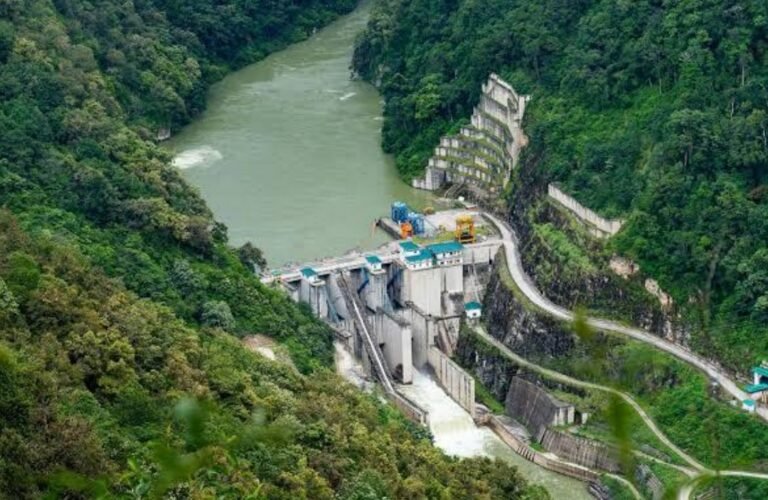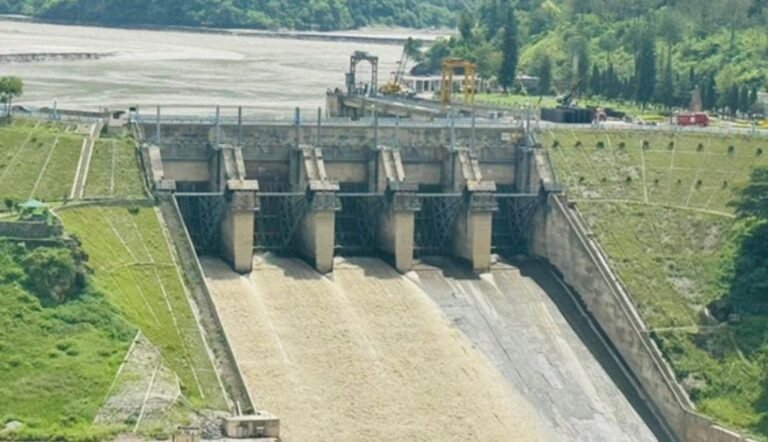
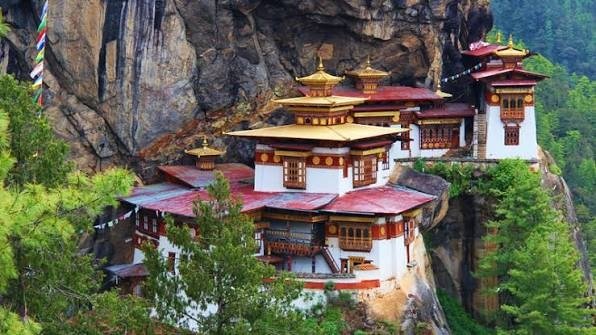
Bhutan is charting an ambitious path toward sustainable economic revitalization by pairing long-term international tourism incentives with the monumental spiritual and infrastructural launch of its visionary Gelephu Mindfulness City. In a strategic move to boost global visitor arrivals and provide multi-year certainty for tour operators, Bhutan’s Department of Tourism announced on November 1, 2026, that its fifty percent Sustainable Development Fee discount—keeping the nightly levy for non-Indian international travelers at $100 instead of the standard $200—has been extended through December 31, 2029, alongside continued fee waivers for eligible tourists visiting four border towns. Complementing this hospitality push, more than 40,000 volunteers worked from past midnight on Sunday to construct 108 fifteen-meter-tall Buddhist stupas in a single day along a twelve-kilometer riverbank near the Indian border at the site of the future Gelephu Mindfulness City, drawing nearly 200,000 attendees—almost a quarter of the Himalayan kingdom’s population. Conceived by King Jigme Khesar Namgyel Wangchuck and designed by Danish architects, this special economic zone, located roughly 240 kilometers south of Thimphu, aims to stem youth migration, falling birth rates, and unemployment by attracting global investment in green technology, sustainable business, education, tourism, and financial services. Backed by founding partners including Indian billionaire Gautam Adani, as well as surplus hydropower-mined Bitcoin reserves, the hub will soon link directly to India’s railway network in neighboring Assam and feature a new international airport slated to open in 2029. Addressing the historic gathering, King Jigme Khesar Namgyel Wangchuck praised the collective achievement of raising the sacred monuments as a permanent stone-and-earth prayer for national prosperity. Bhutan’s forward-looking momentum is further underscored by global recognition and proactive climate resilience, having recently become the first entire nation to win the 2026 Earthshot Prize in the Protect and Restore Nature category—securing £1 million for its Restore Bhutan initiative to rehabilitate 50,000 hectares by 2030—while Prime Minister Dasho Tshering Tobgay simultaneously established and assumed leadership of a new national task force to lower glacial lake outburst flood risks following the damaging October 29 breach of Shintaphu Tsho lake in Gasa. Together, these concerted efforts demonstrate how Bhutan is harmoniously uniting cultural devotion, environmental stewardship, and modern economic connectivity to secure a thriving, resilient future for its citizens and global visitors alike.