
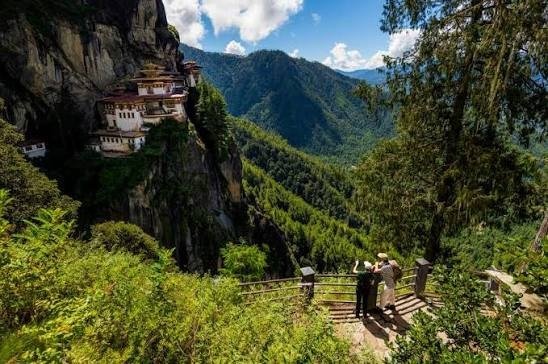
For more than a decade, Bhutanese tour guide Kinley Dendup from Gangtey in central Bhutan has bridged cultures for international travellers, transitioning from early hospitality work at Gangtey Lodge to leading journeys with Druk Asia after childhood encounters with curious visitors sparked his passion for sharing his homeland with the world. To Kinley, guiding is far more than logistics; it is an invitation to experience Bhutan’s spiritual heart, exemplified by his favourite trail to the iconic Tiger’s Nest monastery, where every demanding climb feels uniquely transformative and culminates in the shared joy of guests reaching the summit. Along the way, he frequently dispels common traveller misconceptions, reassuring visitors that tourist-standard hotels comfortably cater to international palates and that Bhutan’s beauty transcends spring and autumn, with crisp winter skies revealing breathtaking snow-capped peaks and brilliant stargazing despite erratic mountain weather forecasts. Humour remains central to Kinley’s storytelling, whether recounting early career mishaps from 2016—such as swapping airport guests with another guide after both had already bonded with the wrong travellers, or inadvertently turning a two-hour trek toward Kyila Goenpa into a six-hour adventure fuelled by spring water that prompted hilarious emergency stops on the drive to Paro—or sharing beloved local folktales explaining why cows calmly ignore traffic, dogs bark at passing cars for unpaid taxi change, and cats flee without paying their fare. Beyond laughter, Kinley feels deeply responsible for safeguarding Bhutan’s intangible cultural heritage, from generational New Year community archery tournaments to the unifying ethos of one nation and one people, alongside sacred ecological traditions that revere mountains and protect pristine forests for future generations. Through genuine hospitality and therapeutic hikes, he has watched countless guests undergo quiet personal transformations inspired by Bhutan’s philosophy of Gross National Happiness, with some finding life partners, celebrating long-awaited pregnancies after praying at Chimi Lhakhang, or returning as investors and experts to support national skilling initiatives. Today, travellers increasingly ask him not only how Bhutan measures collective well-being, but also how ambitious future developments like the Gelephu Mindfulness City will take shape. Ultimately, Kinley hopes every visitor departs enriched by Bhutan’s rare blend of spiritual depth, sustainable tourism, and simple human warmth—a reflection of his own definition of happiness, rooted in strong bonds with family and friends, collective goodwill, and the quiet clarity found while exploring new mountain trails that allow him to press life’s reset button.