
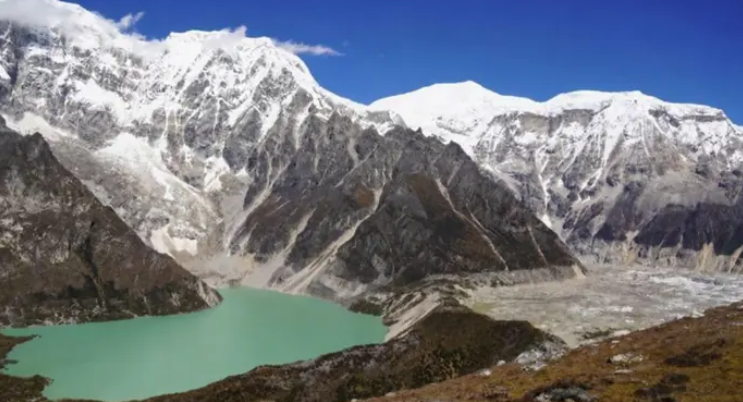
Bhutan’s high-altitude cryosphere is facing rapid deterioration as a comprehensive national assessment reveals the loss of 27 glaciers over a nine-year period, driven by persistent global warming. According to the Bhutan Glacier Inventory 2026 released by the National Centre for Hydrology and Meteorology, the total count of active glaciers in the Himalayan nation dropped from 700 recorded in 2018 to 673. This decline represents a 9.16 percent reduction in overall glacial surface area, shrinking from 629.55 square kilometers down to 571.86 square kilometers between 2016 and 2025. Scientists utilized advanced satellite imagery and deep learning models to map the retreat, finding that ice loss is occurring across all major river basins, including the Phochhu and Punatsangchhu sub-basins. The steady thaw is altering centuries-old highlander migration routes, forcing traditional yak herders to move to higher pastures earlier in the summer. Beyond cultural disruptions, the rapid retreat poses critical ecological and economic threats downstream. As ice melts at an accelerated rate, expanding glacial lakes increase the risk of catastrophic outburst floods, threatening local infrastructure, agricultural security, and Bhutan’s vital hydroelectric power generation. Environmental experts warn that unless global emissions are dramatically curtailed, continued thermal expansion will severely jeopardize long-term freshwater availability across the Eastern Himalayas.