A rural school in eastern Bhutan is creating a direct link between student meals and local farmers by sourcing vegetables, eggs and dairy products from nearby producers.
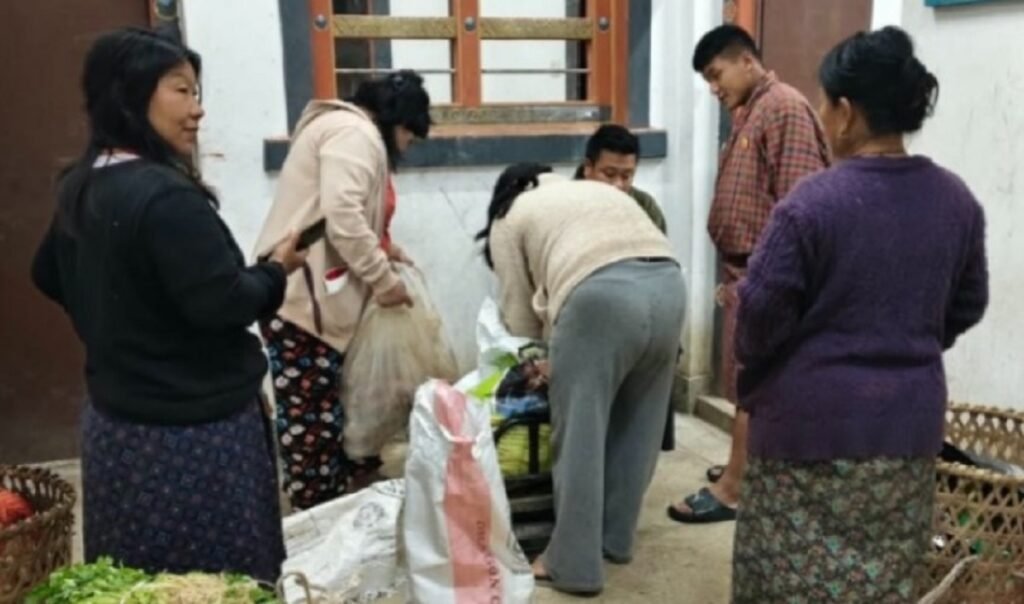
Gongthung Middle Secondary School in Yangneer Gewog works with four vegetable groups, a poultry farm and a dairy group. Farmers deliver seasonal vegetables twice a week, while the poultry and dairy groups supply eggs, milk and other products. The arrangement provides farmers with a regular market while giving the school access to fresh local food. Together, participating farmers earn around Nu 250,000 (about USD 2,580) a month from school sales, accounting for roughly 42 per cent of the school’s meal allocation.
The partnership expanded after the government increased the boarding students’ meal allowance from Nu 1,500 to Nu 3,100. Some farmers now plan to grow products such as bananas to meet future demand, while the dairy group is preparing to supply yoghurt. However, local farms cannot yet meet all of the school’s needs. Fruits such as bananas and apples are still sourced from outside the village. The school therefore combines local purchases with external supplies.
The initiative shows how institutional demand can provide rural farmers with more predictable income while strengthening local food supply chains. Its long-term success will depend on reliable production, food quality, seasonal availability and coordination between farmers and the school.