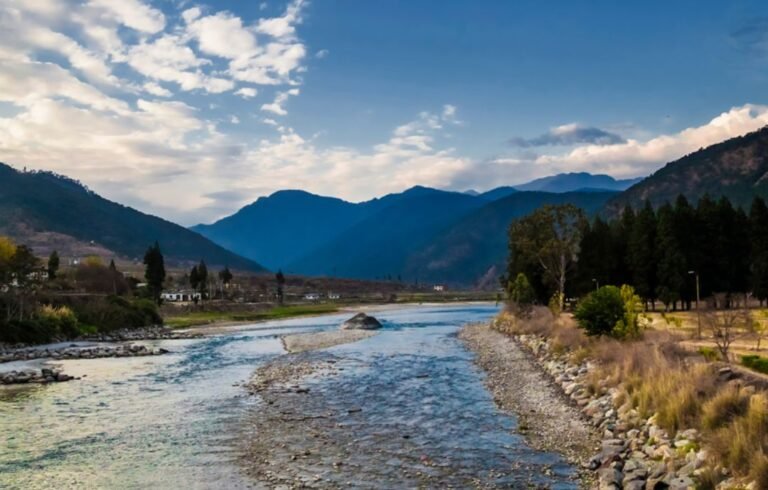

Bhutan has ushered in a milestone week marked by strategic tourism incentives, a historic Guinness World Record in Gelephu, and prestigious international environmental recognition, reinforcing the Himalayan kingdom’s global reputation for sustainable and mindful development. In a major boost for international travelers, Bhutan’s Department of Tourism officially announced the extension of its 50 per cent waiver on the Sustainable Development Fee (SDF) for visitors from Countries Other Than India (COTI) through December 31, 2029, retaining the nightly tariff at USD 100 per person instead of the standard USD 200 rate to strengthen long-term tourism recovery and steady sectoral growth. Concurrently, the kingdom captured global headlines as its visionary Gelephu Mindfulness City project secured a Guinness World Record for the highest number of stupas consecrated simultaneously. Conceived by His Majesty the King as “Project 108,” the monumental spiritual and architectural feat unfolded along the scenic banks of the Mau Chhu river in Gelephu, where 108 Buddhist monuments—each standing 15 metres tall and spaced precisely 108 metres apart to form an awe-inspiring 11.7-kilometre sacred corridor—were raised and consecrated together within a nine-hour window. Drawing roughly 40,000 dedicated volunteers and a massive gathering of 200,000 attendees, the grand culmination on November 1 held deep national significance as it coincided with the eighteenth anniversary of the King’s coronation. Adding further international prestige to Bhutan’s sustainability leadership, the nation was named a winner of the 2026 Earthshot Prize for its ambitious “Restore Bhutan” initiative, securing a GBP 1 million award dedicated to rehabilitating 50,000 hectares of degraded forest and ecosystem landscapes across the country by 2030. Her Royal Highness Princess Chimi Yangzom Wangchuck formally accepted the environmental honor from Catherine, Princess of Wales, during a high-profile ceremony held in Mumbai on November 17, spotlighting Bhutan’s pioneering role as a carbon-negative nation committed to ecological stewardship. Together, these three landmark developments weave a cohesive narrative of a nation harmoniously balancing economic accessibility, spiritual heritage, and environmental conservation. By keeping travel more affordable for global visitors over the next three years while celebrating monumental community-driven architecture in Gelephu and earning world-renowned climate accolades, Bhutan continues to demonstrate how visionary leadership and collective civic spirit can advance holistic, sustainable progress on the world stage.