The Ministry of Agriculture and Livestock has initiated measures to address growing concerns in Bhutan’s piggery sector amid reports of market distortions, rising pork prices, and difficulties faced by both farmers and consumers.
The issue was raised during a session of the National Assembly of Bhutan by Lhakpa Tshering Tamang, who questioned the government about plans to protect pig farmers from financial losses caused by unsold pork products.
Responding to the concerns, Younten Phuntsho said the current challenges in the piggery sector could not be attributed entirely to overproduction. He noted that market distortions were also contributing to the problem, with some individuals allegedly hoarding pork to create artificial shortages and drive up prices.
According to the minister, pig farming remains an important livelihood activity in Bhutan, with 4,376 households engaged in piggery out of the country’s 66,440 agriculture-dependent households. Piggery farming is currently practised in 18 dzongkhags across the country.
The MP highlighted that farmers in Tsirang and several other southern districts, including Samtse, Sarpang, Dagana, Chukha, and Samdrupjongkhar, were facing difficulties due to weak market conditions and falling demand. He said many farmers who had taken loans to invest in pig farming were now under financial stress.
To support the sector, the government announced plans to strengthen livestock-related businesses through Bhutan Livestock Development Corporation Limited. The ministry plans to support around 800 metric tonnes of livestock products at an estimated cost of Nu 33 million while also expanding direct marketing through shops and commercial outlets.
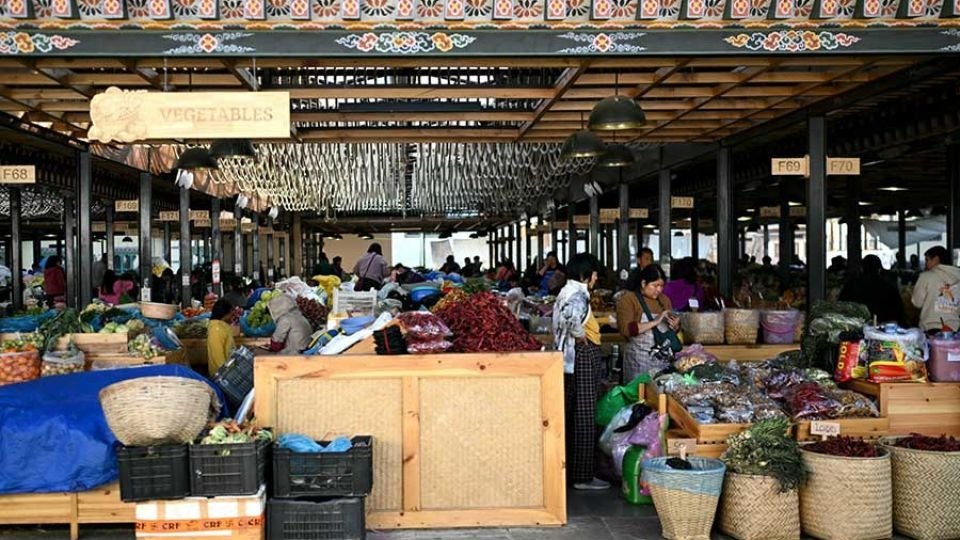
Officials noted that Bhutan’s domestic meat market is valued at nearly Nu 4 billion, creating significant opportunities for pork producers and the broader livestock industry. The government said it would continue supporting private sector initiatives related to livestock production and marketing.
The issue of cold storage and meat processing facilities was also discussed during the session. The ministry said it is currently utilising existing infrastructure and would assess the need for additional cold storage facilities in the future. However, the government expressed caution about investing in large infrastructure projects that could become underutilised and financially unsustainable.
The minister said the government’s priority is to ensure that meat products remain affordable for consumers while also protecting the livelihoods of farmers and supporting the long-term sustainability of Bhutan’s livestock sector.