Bhutan has become the first country to adopt Gross Ecosystem Product (GEP) at the national level, introducing a new economic measure that puts a monetary value on the benefits provided by nature.
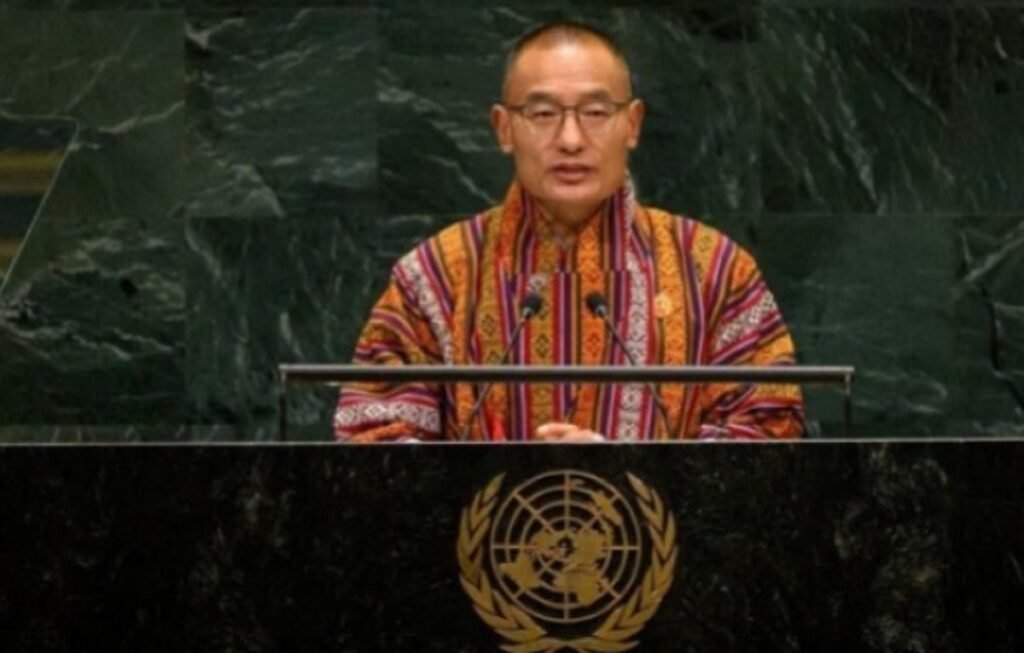
Prime Minister Dasho Tshering Tobgay announced that Bhutan’s GEP for 2024 was estimated at around US$6.2 billion during Climate Week and the Science Summit 2026 in New York on September 23. GEP is designed to complement, rather than replace, Gross Domestic Product (GDP). While GDP measures economic production, GEP seeks to measure the value of ecosystem services such as carbon storage, water regulation, soil protection, flood control, agriculture, fisheries and ecotourism.
According to Stanford University’s Natural Capital Alliance, GEP brings different ecosystem services together through monetary valuation, allowing their contribution to the economy and human wellbeing to be tracked alongside conventional economic indicators. Bhutan’s move builds on its long-standing development philosophy of Gross National Happiness (GNH), which places importance on environmental conservation and wellbeing alongside economic development.
The government said the GEP accounts would be expanded as data and valuation methods improve. The measure is expected to provide additional information for sustainable development, environmental management, investment decisions and climate-resilience planning. Stanford’s Natural Capital Alliance said Bhutan’s GEP was approximately twice the size of its GDP, highlighting the economic value of ecosystem services that may not be fully reflected in conventional economic statistics. Bhutan’s adoption marks a significant step in efforts to incorporate the value of nature into national economic planning.