The Kingdom of Bhutan is renowned for preserving its rich cultural traditions, and one of its most distinctive features is its national dress. The traditional garments—gho for men and kira for women—were introduced in the 17th century by Zhabdrung Ngawang Namgyel to foster a distinct Bhutanese identity.
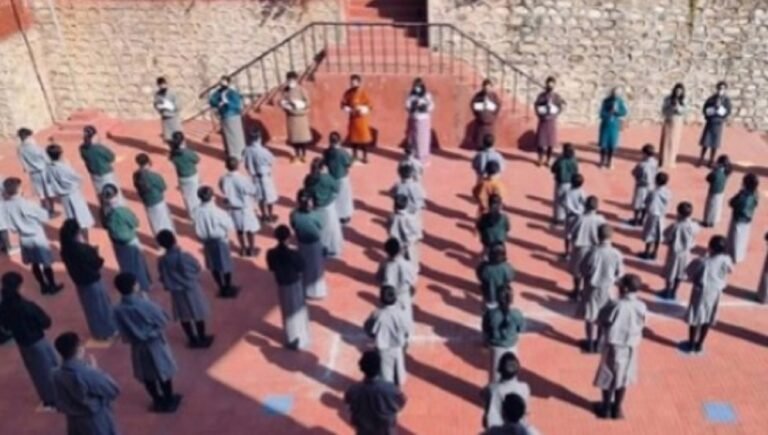
Since 1989, the Bhutanese government has made it mandatory for citizens to wear traditional attire in schools, government offices, religious ceremonies, festivals and other formal occasions. The policy reflects the country’s commitment to safeguarding its cultural heritage in the face of modernisation.
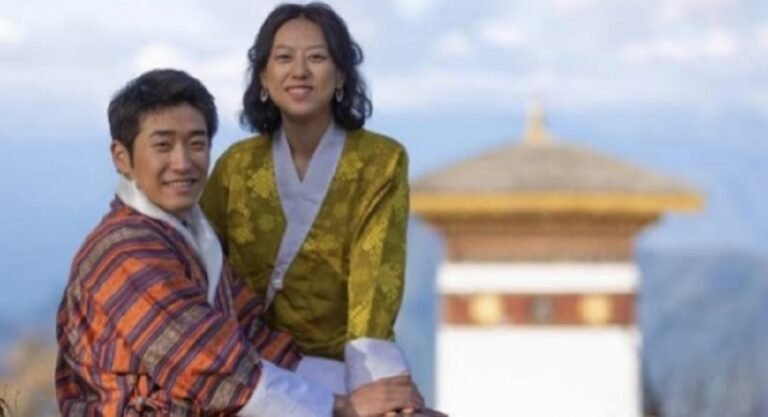
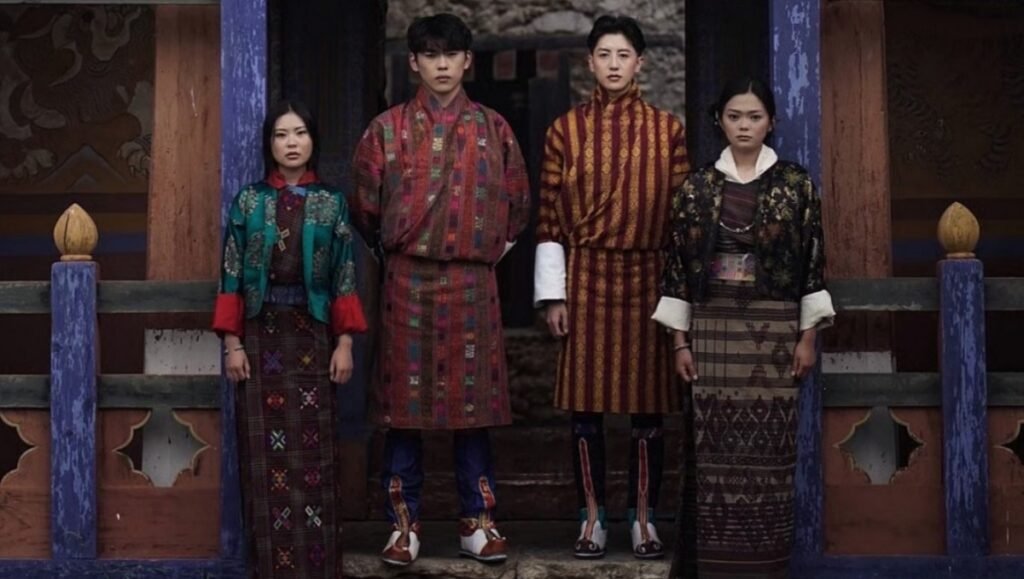
Gho: The gho is a knee-length robe resembling the Tibetan chuba. Traditionally woven in plaid or striped patterns, it is available in a variety of colours. Floral prints are generally avoided, while solid red and yellow are reserved due to their association with monks and the royal family. One of the most distinctive features of the gho is its oversized upper pouch, created by folding the garment over a woven belt. Traditionally, this pouch was used to carry everyday essentials such as a bowl and a small dagger. Today, it commonly holds wallets, mobile phones and other personal belongings. Historically, men wore very little beneath the gho, but modern practice typically includes shorts, while jeans or tracksuits are worn during the colder months. In many parts of Bhutan, particularly the capital, Thimphu, trousers are generally worn only during winter.
Kera: The kera is a handwoven cloth belt used to secure the gho. Besides holding the robe in place, it creates the large front pouch that serves as a practical storage space. The belt is both functional and decorative, forming an integral part of Bhutanese men’s attire.
Kira: The kira is the national costume for Bhutanese women. It is a full-length rectangular piece of woven fabric wrapped around the body and secured at the shoulders with ornate silver clasps known as koma, while a belt at the waist keeps the garment in place. Women wear either a full-length kira resembling a dress or a half-kira styled like a skirt. Everyday kiras are generally made from striped woven fabrics, while those worn during festivals and formal events feature vibrant colours, intricate patterns and elaborate embroidery.
Wonju: Underneath the kira, women wear the wonju, a long-sleeved blouse available in a variety of fabrics, colours and designs. It complements the outer garments while providing comfort and layering.
Toego: The Toego (also spelled tego) is a short jacket worn over the kira. Usually crafted from a contrasting fabric, colour or pattern, it adds elegance and completes the traditional ensemble.
Rachu: For formal occasions and visits to monasteries, dzongs (fortresses) and government offices, Bhutanese women wear the rachu, a ceremonial scarf draped over the left shoulder. The colourful, intricately woven scarf symbolises respect and forms an essential part of formal national dress.
Kabney: Bhutanese men wear the kabney, a ceremonial scarf draped across the shoulder during official functions, religious ceremonies and visits to government institutions or dzongs. The colour of the kabney signifies the wearer’s official rank or social position. Observing the appropriate kabney protocol is considered an important aspect of Bhutanese etiquette, particularly when meeting senior officials or attending national ceremonies.
Bhutan’s national dress represents far more than traditional clothing. It embodies the country’s history, cultural identity and values. Through official policies encouraging the continued use of the gho and kira, Bhutan has successfully preserved a centuries-old tradition that remains an integral part of everyday life and national pride.This version has been rewritten in a professional newspaper and feature style, with improved structure, concise language, and a neutral, informative tone suitable for publication.