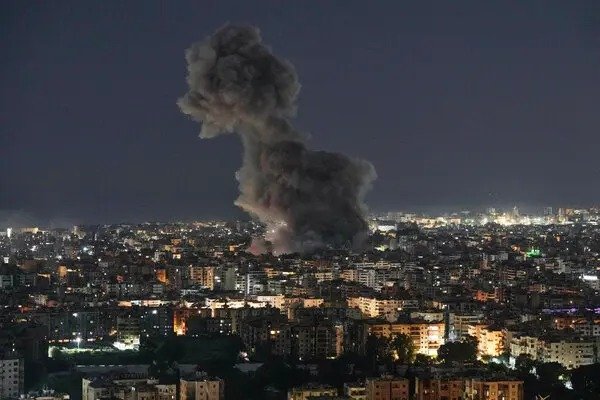
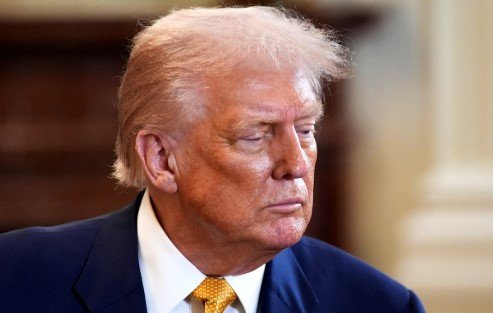
U.S. President Donald Trump has declared that the ceasefire with Iran is effectively “over” following a series of large-scale U.S. military operations that reportedly targeted around 170 sites over two consecutive nights. The strikes mark a significant escalation in tensions between the two countries, raising concerns about the potential for a broader regional conflict across the Middle East. According to officials, the operations were aimed at military infrastructure and strategic assets linked to Iran, although the full extent of the damage and casualties has not been independently verified.
The renewed military action has heightened fears of further retaliation and increased geopolitical uncertainty, with global leaders closely monitoring developments. Analysts warn that continued hostilities could disrupt energy markets, impact international trade routes, and intensify security risks across the region. Financial markets have also reacted cautiously, with investors closely watching crude oil prices and safe-haven assets amid concerns that prolonged conflict could affect global economic stability.
Diplomatic efforts to de-escalate the situation remain ongoing, with several countries urging restraint and calling for renewed dialogue to prevent further violence. International organisations have expressed concern over the humanitarian and security implications of an expanding conflict, emphasising the need for peaceful resolution through diplomatic channels.
The latest developments underscore the fragile security environment in the Middle East, where geopolitical tensions continue to influence global markets and foreign policy decisions. Experts believe the coming days will be critical in determining whether the confrontation escalates further or diplomatic initiatives succeed in reducing tensions. Governments and investors alike are expected to remain focused on official statements from both Washington and Tehran, as well as any international mediation efforts that could shape the next phase of the crisis.