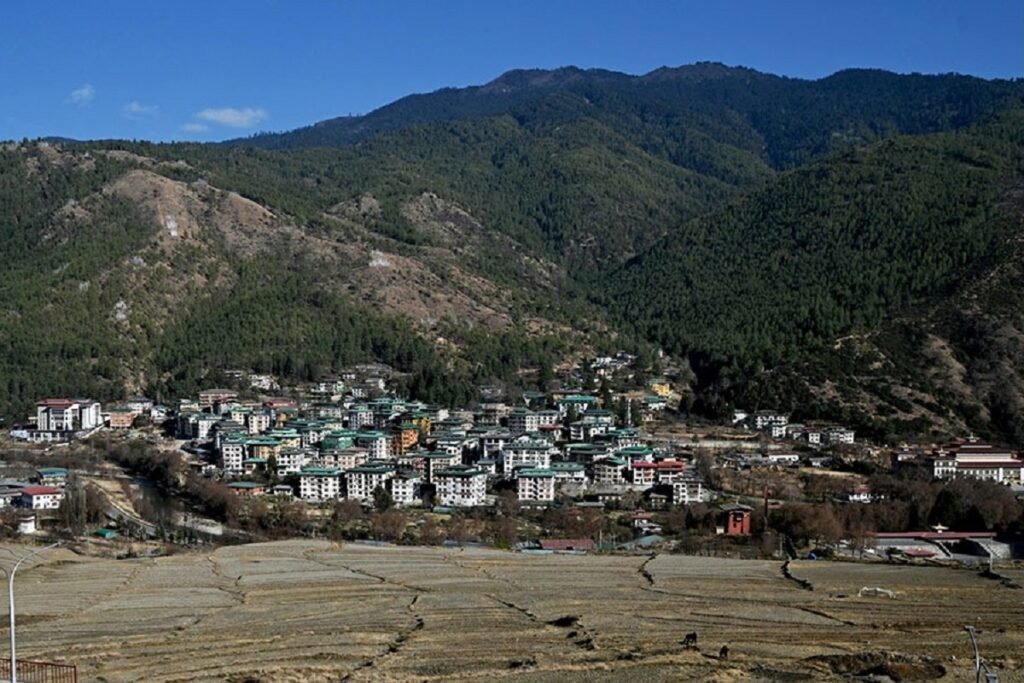
The Ministry of Agriculture and Livestock (MoAL) is focused on enhancing local food production through significant commercial initiatives such as Chirub Farms and the Yarjugang Open-Air Prison (OAP) Farm. These efforts are rooted in the desire to curtail food imports and address the challenges posed by rapid urbanization. Minister Younten Phuntsho highlighted that the project intends to aid urban households in obtaining fresh produce while preparing for potential future disruptions. The popularity of urban agriculture has surged, with approximately 300 urban gardeners now registered in Thimphu, which includes various demographics such as civil servants and armed forces personnel.
The Urban and Peri-Urban Farming (UPUF) plan anticipates an investment of Nu 20 million (around US$215,212) between 2024 and 2029 to expand these initiatives in urban centers like Thimphu, Paro, and others. The funding will be allocated for land development, the construction of greenhouses, smart irrigation systems, mechanization, and training across 15 locations encompassing 65 acres. Although there are challenges related to the Land User Certificate and cooperative farming programs, the government has enhanced a cost-sharing mechanism that encourages both government involvement and beneficiary ownership, increasingly engaging potential farmers, including educated youths, in urban farming.
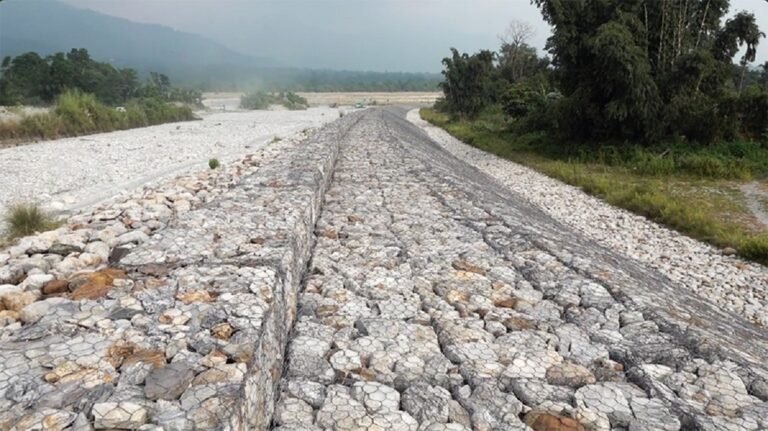
Parallel to UPUF’s local emphasis, the government is also spearheading large-scale farming projects like Chirub and Yarjugang OAP, supported by a substantial funding of Nu 427.01 million from the Government of India. These projects aim to operate as commercial enterprises instead of welfare initiatives. Saha Bir Rai, Chief of the Agriculture Research and Innovation Division, articulated that these farms are being constructed as turnkey projects to ensure comprehensive functionality and risk mitigation during the transition phase.
Under the management of the Department of Agriculture (DoA) and Desuung Headquarters, predictions suggest these farms will yield approximately 341 metric tonnes per year, generating revenues projected between Nu 15 million and Nu 20 million, with a break-even expected within six years. Key crops include a variety of vegetables and high-value fruits, all integrated within a value chain aimed at reducing post-harvest losses and price fluctuations.
Additionally, these farms serve crucial roles in training for youth and vulnerable groups. At Chirub Farms, participants receive training in modern agricultural methods, whereas Yarjugang OAP Farm offers vocational training to around 300 inmates in various skills, promoting dignity in work and social reintegration. The government closely monitors these pilot programs to evaluate scalability and the effectiveness of productivity, income generation, employment, technology adoption, and the overall value chain.
Further plans under the nation’s 13th Plan involve additional high-tech Chirub Farms, private-sector participation in commercial farms, and a significant 435-acre farm in Yarjugang, with a total investment exceeding Nu 974.12 million. Construction efforts are currently underway, including land development and mega greenhouses. Completion for certain facilities has been pushed back to 2027 due to procurement delays. Overall, these initiatives mark a strategic step towards enhancing agricultural sustainability and urban resilience in the region.