In the small town of Jaigaon, tucked away in the Alipurduar district of West Bengal, the concept of an international border is remarkably fluid. For residents and visitors alike, stepping into a foreign country is not a matter of high-altitude flights or grueling bureaucracy—it is as simple as a short afternoon stroll.
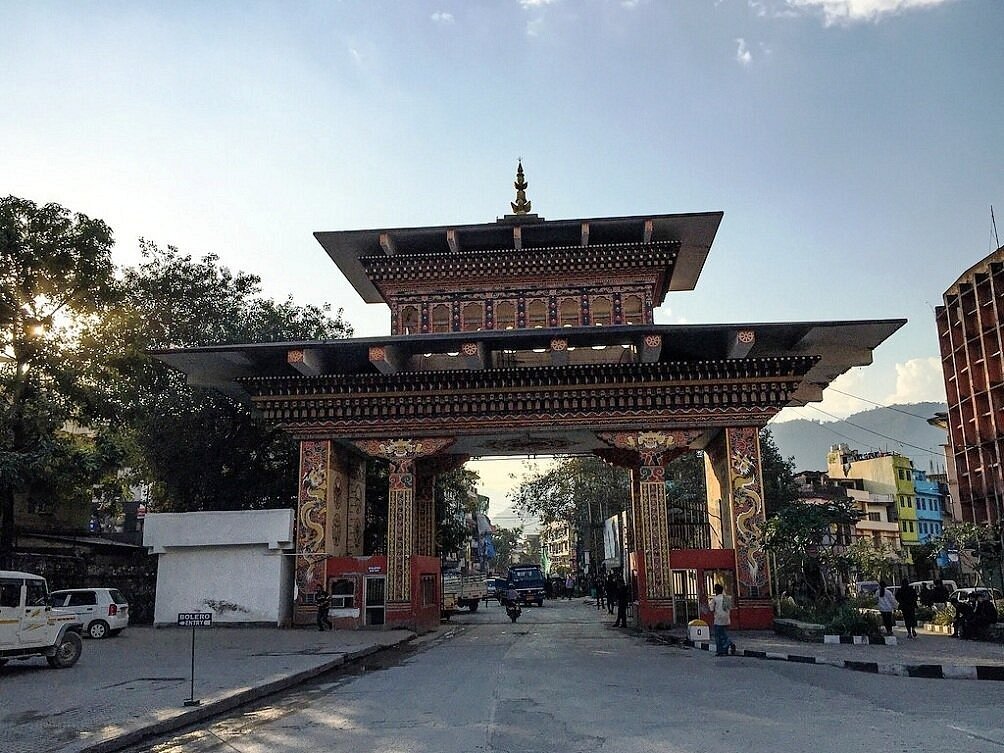
Jaigaon serves as the primary gateway to Phuentsholing, the bustling commercial hub of Bhutan. Separated only by the ornate and vibrant Bhutan Gate, these two towns exist in a symbiotic relationship where crossing national lines is a part of everyday life. Visitors can literally walk across the threshold to experience Bhutanese culture, architecture, and cuisine, often returning to India by sunset. For short visits to Phuentsholing, the usual travel stressors of visas or passports are largely absent for Indian nationals. This unique “travel quirk” allows for a seamless transition between the two nations, making it possible to have breakfast in India and lunch in Bhutan without the traditional friction of international travel. Jaigaon is more than just a transit point; it is a springboard into the lush wilderness of the Dooars region. Nature enthusiasts can easily access the Jaldapara National Park, famous for its one-horned rhinoceros, or the rugged landscapes of the Buxa Tiger Reserve. For a more tranquil experience, the nearby Sikiyajhora offers serene boat rides through overhanging forest canopies.
With its blend of tea gardens, diverse cultures, and the iconic backdrop of the Himalayas, Jaigaon offers a travel experience that is both simple and surprising. It remains a testament to the enduring friendship between India and Bhutan, where a gate is not a barrier but an invitation.