
Gangtey and Phobjikha are often described as the crown jewels of Bhutan’s natural heritage—the winter sanctuary for the endangered Black-necked Crane and a premier destination for global travelers. But beneath the scenic landscapes, a modern crisis is brewing: waste. Today, we bring you a story of hope and grassroots action, as local businesses, residents, and the government join forces to protect this fragile ecosystem from the pressures of rising tourism. The high-altitude valleys of Gangtey and Phobji are facing a turning point. As tourism rebounds and commercial activity expands, the volume of trash has reached a critical level. Recognizing that they cannot wait for external solutions, eighteen hotels and thirty homestays have taken a rare and decisive step: they have launched a joint annual waste management fund.
This initiative is not just about cleaning up; it is about infrastructure. The fund is currently being used to construct a proper landfill, build segregation sheds, and maintain the waste-carrying tractors that serve the community. Larger establishments like Gangtey Lodge and Amankora contribute Nu 10,000 annually, while local homestays contribute Nu 1,000, ensuring that every business, regardless of size, plays a role in the valley’s survival.
The impact of this collective action is already visible. In an effort to curb illegal dumping, the Gangtey-Phobji Environment Management Committee has installed CCTV cameras along critical stretches leading to the Eusa landfill—a move funded entirely by the community’s waste pool.
But the movement extends far beyond the business sector. Every month, residents gather for “Zero Waste Days” to clean their respective chiwogs. In the local schools, the next generation is being drafted into the cause. At Phobjikha Central School, Principal Karma Phuntsho has replaced traditional waste pits with designated storage rooms to prevent crows and other animals from scattering trash.
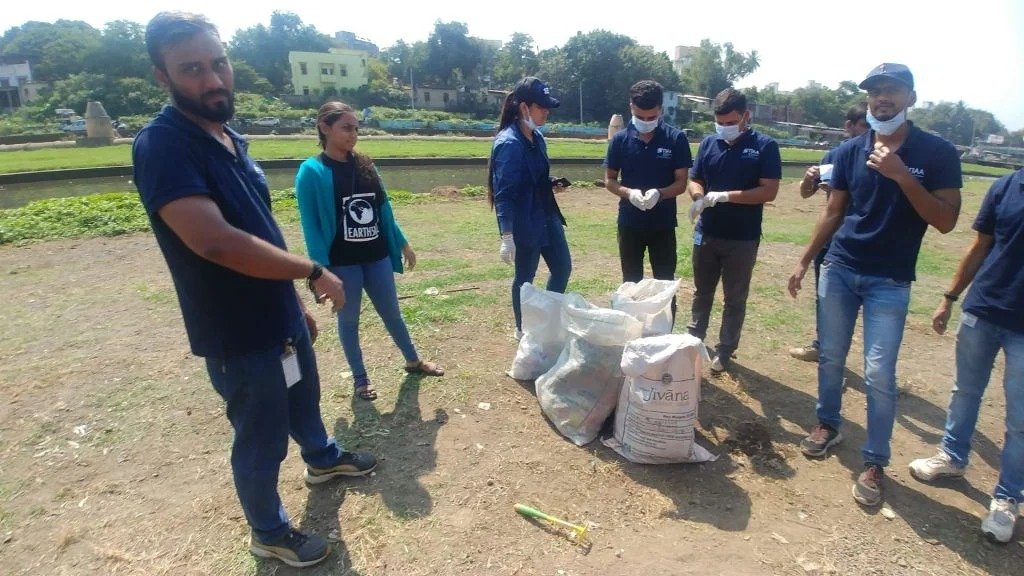
The national government has also stepped in to bolster these local efforts. Under the direction of the Prime Minister’s Office, teams of Desuups have been deployed to the valley. These volunteers are working on the front lines, clearing riverbanks and monitoring landfill sites. Despite the physical toll and the logistical challenges of transporting waste in rugged terrain, their commitment remains unshaken.
Conservation remains the ultimate goal. The Royal Society for Protection of Nature, or RSPN, works tirelessly to prepare the wetlands before the arrival of the black-necked cranes. By removing invasive species and human-made debris, they ensure the cranes have a safe habitat, protecting both the wildlife and the sustainable tourism that the community relies on.
However, the road ahead is not without obstacles. Logistical hurdles and the need for stricter compliance remain. Gangtey Gup Kinley Gyeltshen warns that if the current momentum isn’t sustained, the gewog could soon be overwhelmed.
The story of Gangtey-Phobji serves as a powerful model for the rest of Bhutan. It proves that when private enterprise, local leadership, and government support align, a community can protect its environment without sacrificing its economic future. For the people of the valley, the message is clear: maintaining a pristine environment is no longer just a government mandate—it is a shared responsibility.