
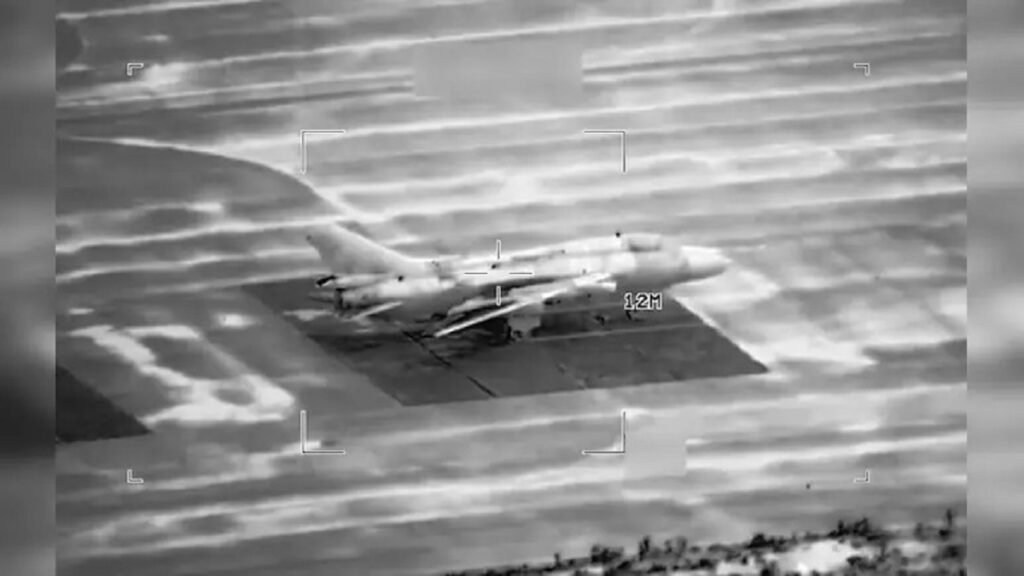
In the escalating military conflict in the Middle East, the United States has initiated targeted airstrikes against Iranian military assets, including aircraft and drone hangars, with the US Central Command describing the operations as “bold action” aimed at eliminating imminent threats posed by the Iranian regime. The airstrikes have inflicted heavy damage in key cities such as Tehran and Isfahan and have reportedly resulted in the assassination of Iran’s Supreme Leader, Ayatollah Ali Khamenei, prompting Tehran to promise retaliation.
In response to these assaults, Iran has retaliated by launching strikes against US allies in the region, notably the United Arab Emirates (UAE) and Qatar, signaling an intention to broaden the conflict and communicate the consequences of aligning with the US. The situation has intensified tensions significantly, disrupting the already fragile peace in the Middle East, a critical region that holds over 50% of the world’s oil reserves, which raises concerns about far-reaching geopolitical ramifications.
The chaos has affected air travel, leading to the closure of Dubai airport—one of the busiest globally—and airspace restrictions across eleven nations in the Gulf, complicating logistics and safety in the area. Meanwhile, India is closely monitoring the turmoil as approximately 9 million Indian expatriates reside in the Middle East. The Indian government’s Cabinet Committee on Security is actively coordinating efforts to assist those affected and is preparing evacuation plans should conditions worsen, while also advocating for a resumption of diplomatic dialogue among all parties involved.