The ongoing conflict involving Iran is reshaping global economic dynamics, creating clear winners and losers as energy markets face major disruptions.
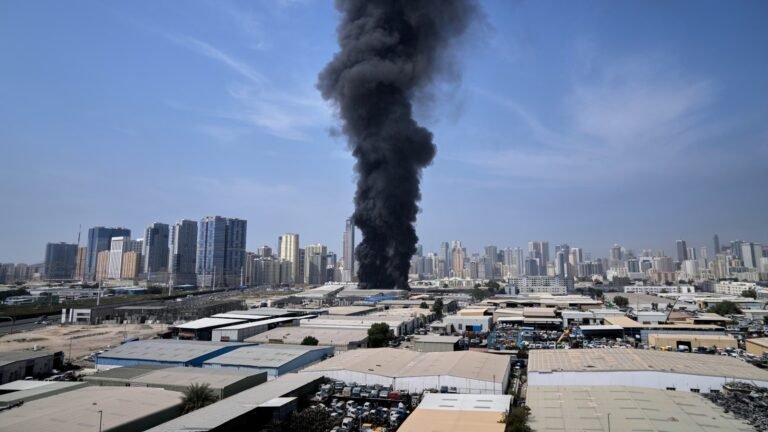
At the center of the crisis is the strategic Strait of Hormuz, a critical artery for global oil supply. Disruptions and attacks on energy infrastructure have pushed oil prices higher, impacting economies unevenly.
Among the biggest beneficiaries is Russia, which has significantly increased crude exports, particularly to India. With relaxed global restrictions and rising demand, Moscow is projected to earn billions in additional revenue, potentially marking its strongest energy earnings since 2022.
Other energy exporters like Norway and Canada may also benefit as countries seek stable alternatives to Middle Eastern supplies. Meanwhile, coal exporters such as Indonesia are gaining from increased demand as nations turn to substitute fuels.
The United States presents a mixed picture. While American oil producers stand to gain from higher prices, the broader economy faces risks due to high domestic energy consumption and exposure to global price fluctuations. Disruptions to operations in the Gulf region further complicate the outlook.
Traditional Gulf producers like Qatar and Saudi Arabia have been hit by infrastructure risks and regional instability, affecting output and revenues.
Across Asia, the impact has been severe. Countries heavily dependent on Middle Eastern oil imports, such as South Korea, face economic strain, with concerns over key industries like semiconductor manufacturing. Nations including Sri Lanka, Bangladesh, and the Philippines have introduced measures such as fuel rationing and reduced working schedules.
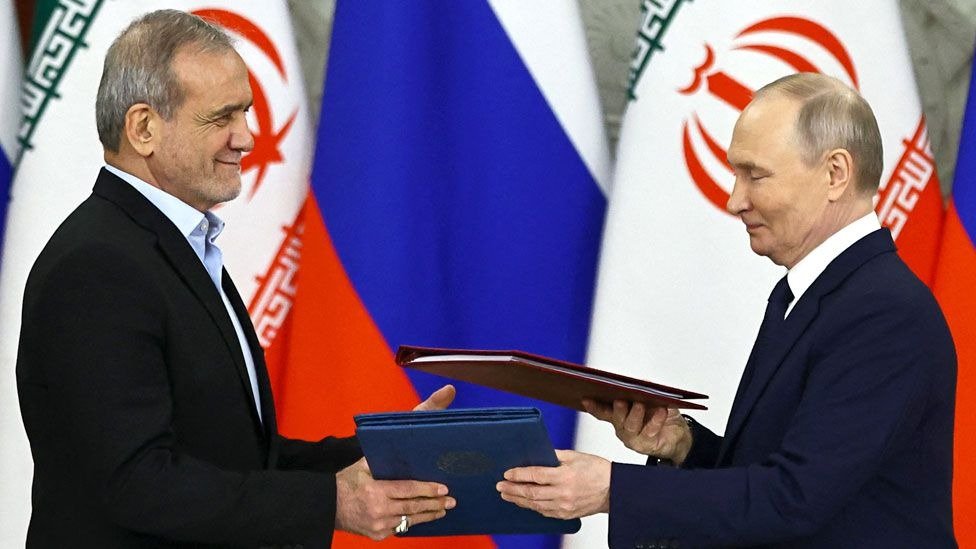
However, major consumers like China and India have managed to cushion the impact by leveraging reserves and diversifying supply sources, including increased imports from Iran and Russia.
Economists warn that prolonged conflict could push oil prices sharply higher, fuelling inflation and slowing global growth. While some nations profit from the crisis, the broader outlook remains uncertain, with risks of widespread economic spillover if tensions persist.