Agency: “There is nothing here. What nutrients shall I eat?” asks Rinchen Zam, 23, reflecting on her pregnancy in the highlands of Laya. She knows that a balanced diet rich in fresh fruits, vegetables, and meat is vital for a healthy pregnancy, yet access to these foods is severely limited in Laya due to its remote location.
“I only get to eat fruits or fresh vegetables around 2-3 months of the year, usually when vendors come to sell them,” she said. The rough roads to Laya are not what vendors look forward to.
For the rest of the year, families rely on dried vegetables, grains, and yak dairy.
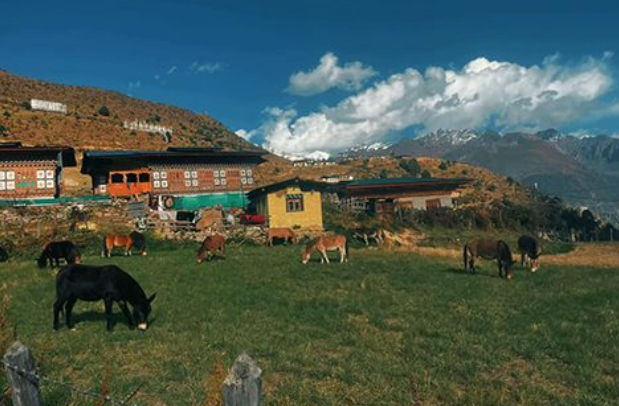
In Laya, life revolves around yak herding and subsistence farming, and ensuring good nutrition for young children and pregnant women is a persistent challenge.
The community is rich in tradition, yet harsh geographical and climatic conditions make access to nutritious foods extremely difficult. Not a single fruit grows in Laya, and vegetables barely survive the cold.
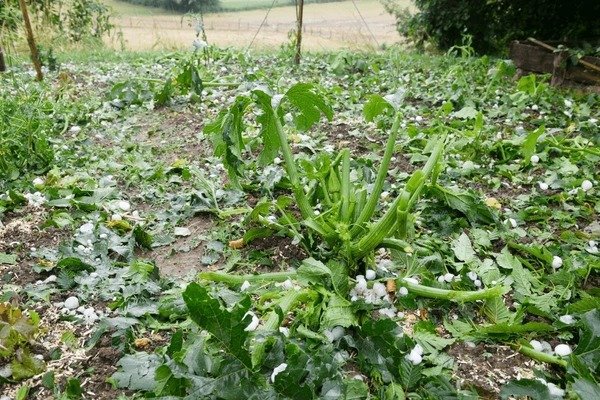
Only a handful of households with greenhouses cultivate limited varieties such as spinach, turnip, or radish, leaving most families dependent on goods transported over long, rough trails from other regions.
According to UNICEF, many Bhutanese rely heavily on staples such as rice, which provide calories but lack essential vitamins, minerals, and proteins.
“An estimated 86 percent of the population consumes fewer than the recommended five servings of fruits and vegetables per day,” the agency said, highlighting the low dietary diversity in rural and highland areas.
The National Health Survey (NHS) 2023 shows the impact of these limitations: 33.3 percent of pregnant women and 40.9 percent of non-pregnant women were anemic, with higher prevalence in rural dzongkhags. Micronutrient deficiencies were also common among adolescent girls and women of reproductive age, with 57.1 percent showing ferritin deficiency, a protein that stores iron, crucial for making red blood cells. Low ferritin can cause fatigue, weakness, and complications during pregnancy.
Rinchen said the lack of consistent access to fresh foods was a constant worry. “Not getting enough nutrients can affect the baby. Even though the health assistants advise me, it is not easy to follow their guidance when the food is not available,” she explained.
During months without fresh produce, families ration dried vegetables, grains, and yak dairy, but it is far from sufficient.