
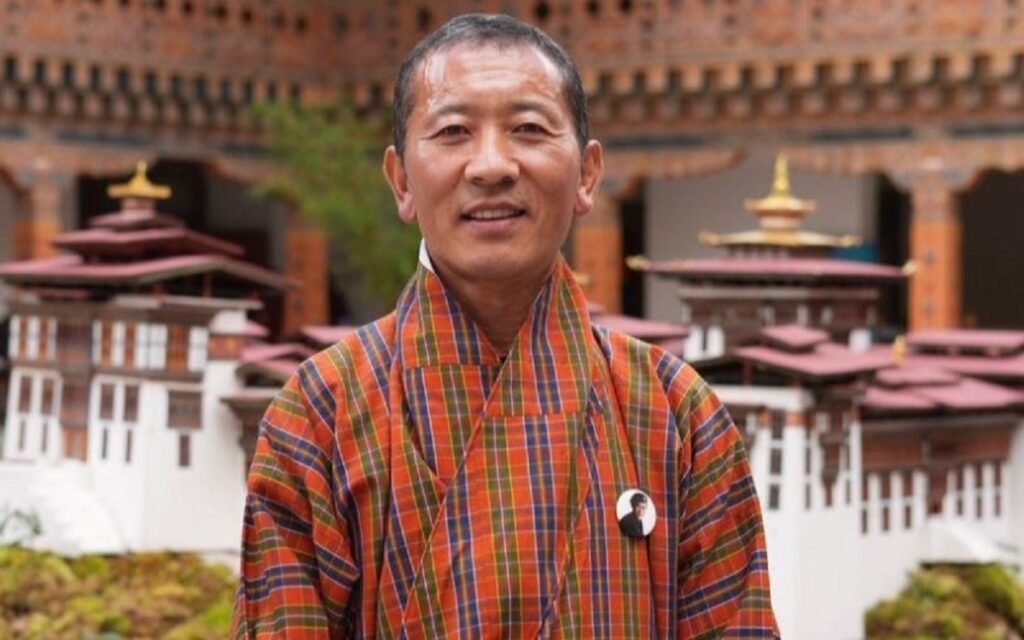
Dasho Dr. Lotay Tshering, former Prime Minister of Bhutan and currently leading the Gelephu Mindfulness City (GMC) initiative, articulates a pragmatic approach to governance, emphasizing that pleasing everyone often equates to failure. His experience as a urological surgeon instills in him a commitment to precision and straightforwardness, evident in his political philosophy. Tshering’s insights into democratic governance are shaped by an understanding of the challenges inherent in a five-year electoral cycle and the competing demands of immediate concerns versus long-term goals for the country’s development.
GMC represents a unique model of governance, established by a Royal Charter issued in 2023, providing it full autonomy from Bhutan’s traditional governance structures. Unlike other parts of Bhutan, GMC is not confined by the typical political cycle, allowing for a more visionary, intergenerational approach to development. Tshering views GMC not merely as a new city but as a “civilizational project” rooted in values of civility and well-being, which aligns with Bhutan’s concept of Gross National Happiness (GNH) — now advancing to what he calls GNH 2.0, addressing the needs of the 21st century.
The economic vision for GMC diverges from conventional models, as it aims to attract high-value, sustainable businesses instead of competing with large manufacturing industries. This aligns with the goal of retaining Bhutanese youth and bringing back talent from abroad. By 2031, GMC plans to have established essential infrastructure, including the Gelephu International Airport, which has gained international recognition for its design, and other key landmarks that support a vibrant, community-focused environment.
Furthermore, Tshering redefines “mindfulness” within the context of GMC, suggesting it extends beyond common interpretations to encompass a proactive engagement with societal advancement and emerging scientific fields, such as longevity science. This broader understanding manifests in GMC’s commitment to implementing innovative ideas that are aligned with contemporary global changes. Through these initiatives, he envisions a transformative impact on the community and the return of Bhutanese expatriates who are inspired to contribute to the growth of their homeland.
He has closely observed His Majesty’s leadership for nearly a decade, noting a remarkable transformation in both vision and the ongoing learning process. His Majesty’s extensive reading, attentive listening, and deep retention contribute significantly to Bhutan’s future, as he possesses the authority to act on this knowledge. This form of leadership, which transcends traditional frameworks, instills confidence in the nation’s trajectory.
Dasho Dr Lotay Tshering expresses a core concern about ensuring that Bhutanese people fully understand and engage with the opportunities being created. He emphasizes that while the Gross National Happiness Commission (GMC) will provide platforms, individuals must proactively seize these chances. There will be no favoritism—opportunities will favor those who are prepared and aligned with the vision.
A source of inspiration for Dasho Dr Lotay Tshering comes from the overwhelming volunteer response to GMC initiatives. The high demand for participation showcases a unique communal spirit, transcending mere obligation—it’s an expression of respect for His Majesty and the opportunity to contribute to something significant. He reflects on the historical importance of this moment, suggesting that future generations will recognize its unparalleled nature. This sense of urgency drives his desire to reach every Bhutanese citizen to ensure they grasp the potential GMC offers.