
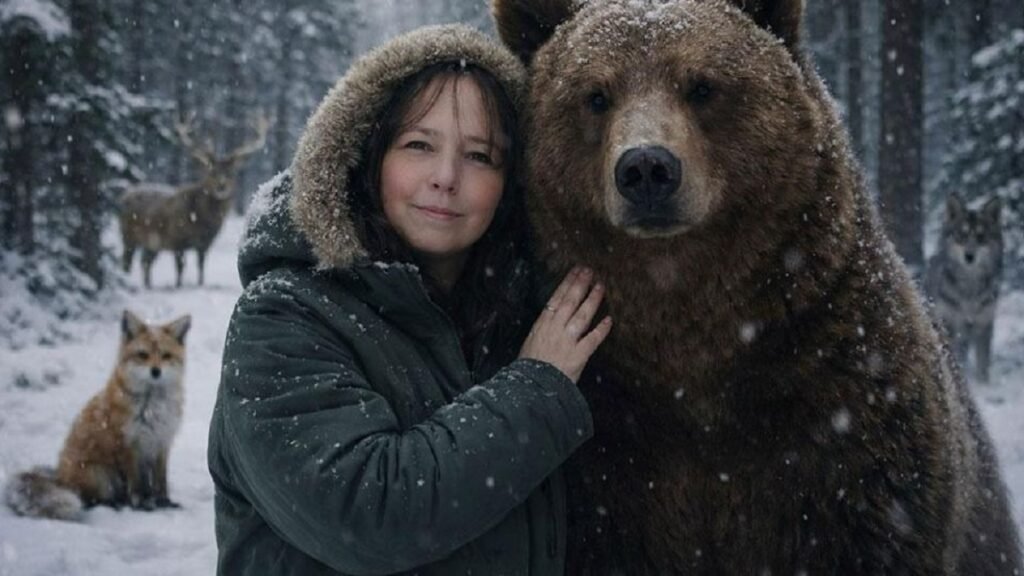
A surge in AI-generated wildlife videos on platforms like TikTok, YouTube, and Facebook is alarming conservation experts, who claim these realistic but fabricated representations distort public perception of wildlife. These videos, often depicting improbable scenarios such as leopards being chased away by house cats or bears jumping on trampolines, spread rapidly and create confusion regarding natural animal behavior. This issue is problematic as it encourages dangerous interactions with wildlife, as seen in videos that portray wild animals behaving like pets.
Examples include a viral clip of a tiger supposedly attacking a man in India, which was later confirmed as fabricated, leading to fear and potential retaliatory actions against wildlife. In Japan, misleading bear videos have prompted warnings about safe behaviors around these animals. Even conservationists can be misled, highlighting the pervasive nature of this misinformation.
In Bhutan, a recent AI-generated video showed tigers interacting harmlessly with a researcher, prompting the Department of Forests and Park Services (DoFPS) to assert that such portrayals misrepresent these apex predators, which are inherently wild and unpredictable. This misinformation undermines decades of conservation efforts and fosters a false sense of safety among viewers, particularly youth.
Despite the challenges posed by AI, the technology also offers valuable applications in conservation, such as species tracking and monitoring human-wildlife conflicts. DoFPS is exploring ways to label AI-generated content clearly and enhance environmental education to help the public discern authentic wildlife portrayals from AI fabrications.
As AI continues to evolve, the ability to think critically and share responsibly becomes essential for wildlife conservation efforts. The understanding of wildlife behavior and risks is crucial, as the proliferation of AI-generated images complicates the already challenging task of protecting various species and their habitats.