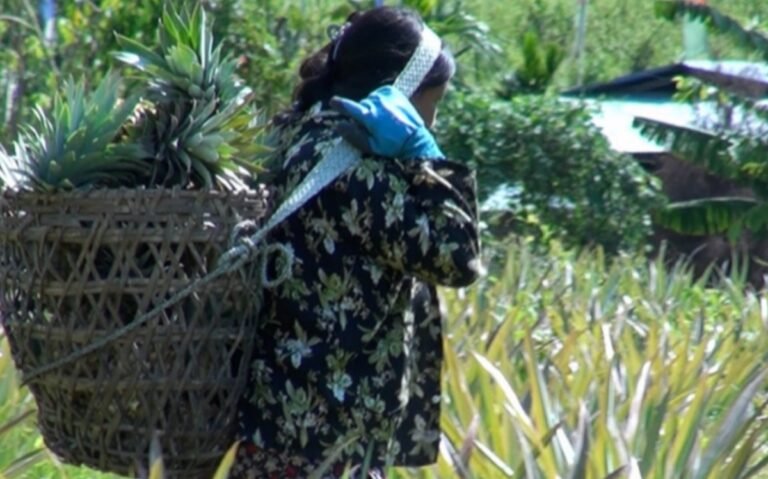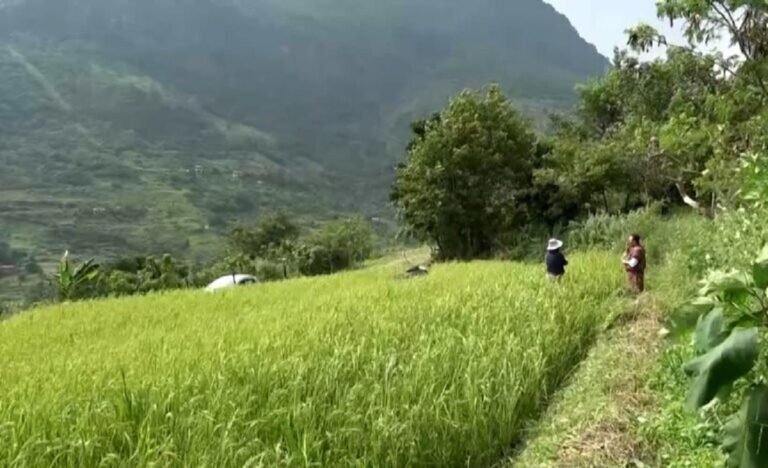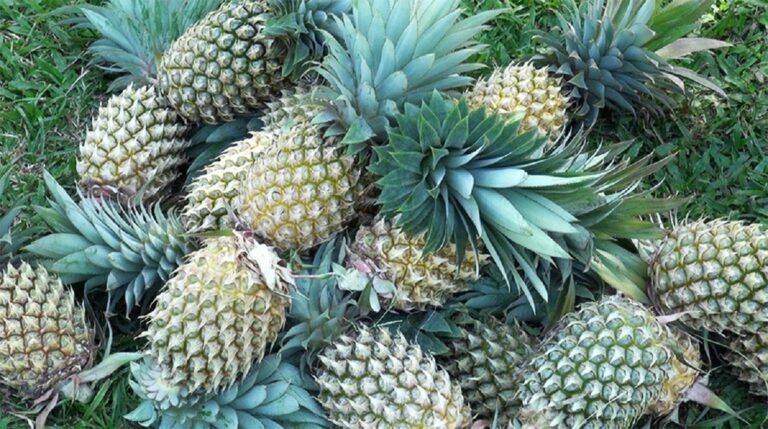
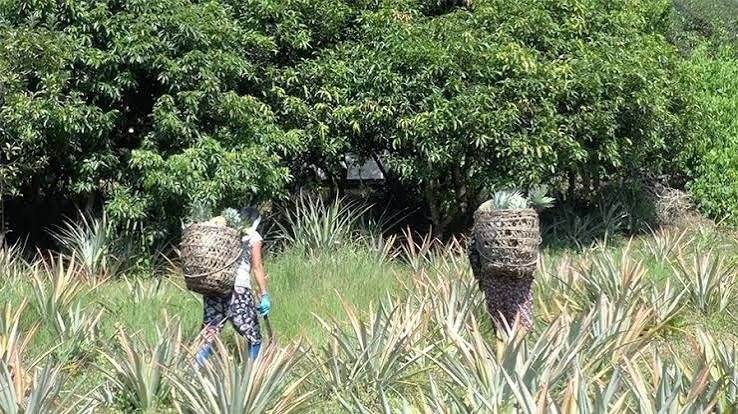
Pineapple farming has emerged as a transformative economic driver for Durungri village in Pema Gatshel district, eastern Bhutan, significantly boosting household revenues and strengthening the rural economy. In 2026, the 50-member Durungri Pineapple Group successfully sold approximately 100 metric tonnes of pineapples, generating around Nu 4.5 million (USD 47,700) in total sales. Cultivating nearly 40 acres (16 hectares) of land, the organized farming community has successfully turned fruit production into a dependable, primary source of livelihood. The group’s progress underscores the remarkable impact of collective production and secured market access: when formed in 2022, the group supplied just 13 metric tonnes of pineapples, whereas the 2026 summer harvest alone yielded nearly 79 metric tonnes. Combined with the ongoing winter harvest in November, total annual production reached the milestone 100-tonne mark. Known widely as Bhutan’s “Pineapple Village,” Durungri benefits from a long-standing commercial relationship with Bhutan Agro Industries Limited, which operates a major fruit-processing plant at Lingmethang in Mongar district. By supplying pineapples to the processing facility for nearly six years to produce juices and squashes, farmers have secured a stable, guaranteed outlet that prevents post-harvest spoilage. At a selling price of approximately Nu 45 (USD 0.48) per kilogram, individual household earnings range between Nu 22,000 (USD 230) and Nu 250,000 (USD 2,650) annually, depending on plantation size and harvest volumes. While community members continue to cultivate traditional crops like maize, pineapples provide far superior commercial returns, with many households earning over Nu 100,000 (USD 1,060) each year. The dramatic production increase from 13 to 100 metric tonnes within four years illustrates how structured group coordination and assured corporate off-take can encourage smallholder farmers to scale up commercial agriculture. Moving forward, sustaining this growth trajectory will rely on maintaining high crop quality, establishing dependable transportation logistics, and preserving stable processing markets. Provided these essential conditions are met, commercial pineapple cultivation will continue to supply Durungri’s households with resilient incomes while unlocking broader value-addition opportunities across eastern Bhutan’s agricultural sector.