
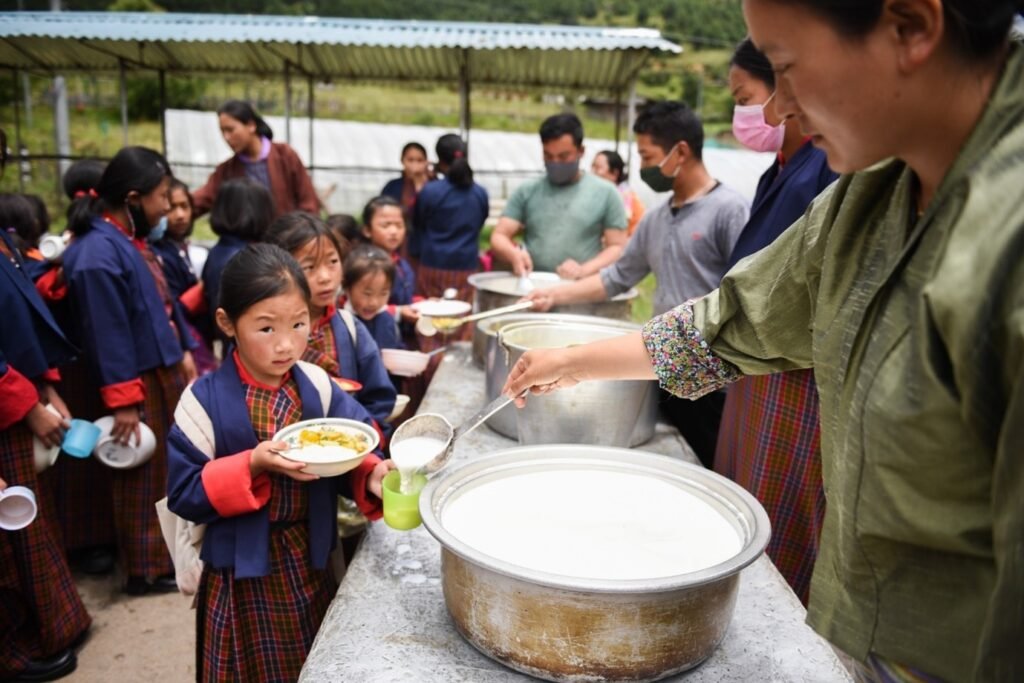
While Bhutan has made commendable progress over the past decade in reducing childhood stunting and undernutrition, the rapid modernization of the country and shifting dietary habits have given rise to new, complex health challenges encapsulated by the triple burden of malnutrition: persistent undernutrition, widespread micronutrient deficiencies, and alarming surges in childhood overweight and obesity. According to a comprehensive joint report released by the Ministry of Health and UNICEF, the proportion of overweight children and adolescents aged five to nineteen has tripled from six percent in 2000 to eighteen percent by 2022, with adolescent girls disproportionately affected at twenty-three percent compared to fourteen percent among boys. Beyond caloric intake, hidden hunger and micronutrient deficiencies—particularly involving essential vitamins such as D and B12 along with iron—continue to compromise adolescent health and cognitive development. This vulnerability is heavily exacerbated by modern food environments, as highlighted by a survey revealing that half of participating school-going adolescents routinely choose fast food, packaged snacks, sweets, or sugary beverages when hungry, while one in third note that these unhealthy items remain freely available within school canteens and surrounding food services. UNICEF Health and Nutrition Officer Kinley Dorji points out that children’s food choices are increasingly dictated by affordability and aggressive marketing rather than nutritional value, noting that inexpensive, highly processed items like noodles and chips cost a mere ten to twenty ngultrum, whereas fresh vegetables have become relatively expensive compared to past generations. Although national initiatives such as the extensive school feeding program reaching 90,000 students and the innovative One-Egg, One-Child pilot launched in February 2025 across 345 schools have made positive strides, experts emphasize that solving this crisis requires robust, cross-sectoral coordination. The Nourishing Bhutan Framework actively champions multi-stakeholder interventions, urging authorities to improve school meal quality, integrate rigorous nutrition education into curricula, enforce strict regulations restricting the sale and marketing of junk food in and around educational institutions, and enhance clinical screening protocols for at-risk youth. Ultimately, as upcoming reports in this series will further explore, securing the long-term well-being of Bhutan’s younger generation demands a systemic transformation of the local food environment to ensure that wholesome, nutritious, and affordable food choices are readily accessible to every child, everywhere they learn and grow.