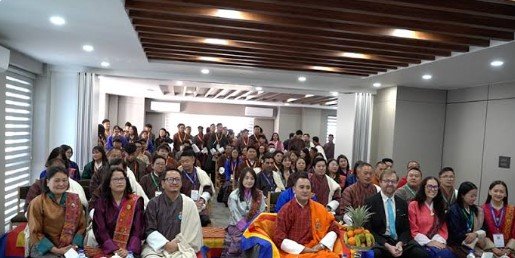
Bhutan has made history by becoming the very first nation in the world to officially adopt the Gross Ecosystem Product (GEP) at a national level, introducing an innovative economic metric designed to measure the immense value of services provided by its forests, rivers, soils, and landscapes. Prime Minister Tshering Tobgay formally announced during Climate Week and the Science Summit 2026 in New York that Bhutan’s GEP stood at approximately $6.2 billion in 2024, giving a concrete monetary figure to natural assets that have traditionally remained invisible in standard financial accounts. While traditional Gross Domestic Product tracks the market value of goods and services produced within an economy, GEP captures the vital ecological contributions of nature, such as clean water regulation, carbon storage, soil preservation, and agricultural support that sustain human wellbeing and livelihoods. Developed in collaboration with the Natural Capital Alliance at Stanford University and supported by the Enlight Foundation, these new GEP accounts are intended to complement GDP, guiding policymakers in making informed, climate-resilient decisions regarding future development and investments. This landmark initiative naturally builds upon Bhutan’s long-standing national philosophy of Gross National Happiness, which has historically prioritized environmental conservation alongside social and economic progress. The urgent need for such a framework is underscored by mounting environmental challenges, including retreating glaciers, unpredictable weather patterns, and biodiversity loss that threaten vulnerable mountain ecosystems and the communities relying upon them. By integrating ecosystem valuation into national balance sheets, the government aims to clearly illustrate both the ongoing economic benefits provided by nature and the severe potential costs associated with environmental degradation. During the launch event, Bhutan’s National Statistics Bureau was also honored with the 2026 Natural Capital Young Leaders Prize in recognition of its pioneering work in advancing comprehensive natural capital accounting standards. As the country moves from conceptual framework to practical policy implementation, the challenge will lie in translating these complex ecological numbers into everyday governance decisions that protect natural assets. Ultimately, Bhutan’s adoption of GEP represents a transformative shift in global economics, proving that sustainable development requires looking beyond mere production to properly account for and preserve the priceless natural systems that underpin all human life.