Democratic Republic of Congo announced Tuesday that confirmed Ebola deaths have reached 2,011. Health officials have called this outbreak the fastest-spreading Ebola epidemic ever recorded. The number keeps climbing, and so does the fear in the communities living through it.
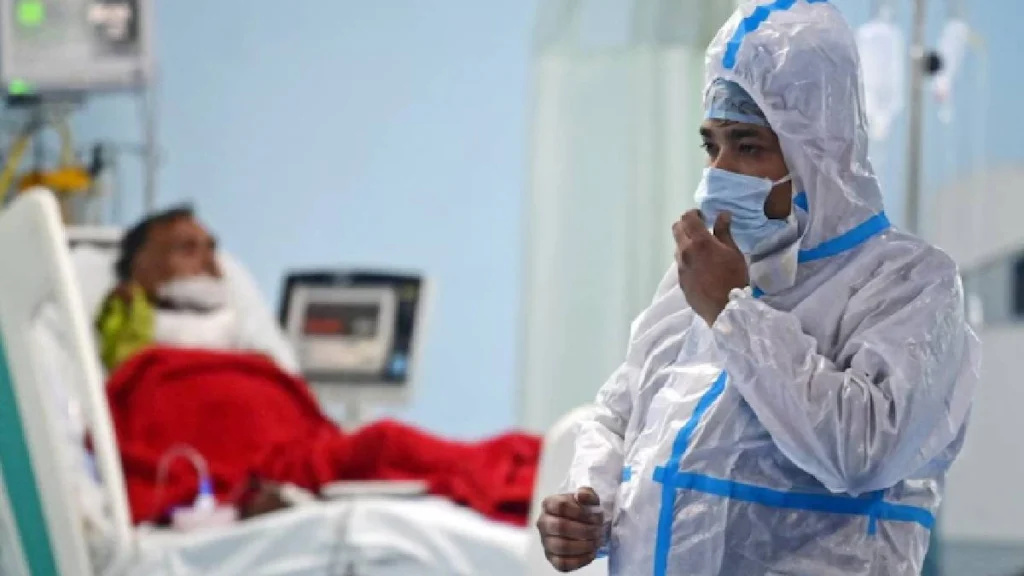
By August 8, DRC had confirmed 4,209 total cases, including 1,916 related deaths, based on data through August 7. Nearly 600 patients remain hospitalized in isolation right now. This crisis started small. The outbreak was first reported on May 14 in Ituri Province, marking the 17th Ebola outbreak in DRC’s history. It began just five months after the previous outbreak ended. Some experts believe the earliest infections actually started back in January or February, quietly spreading in the town of Mongbwalu before anyone noticed.
This isn’t the Ebola most people remember from news headlines a decade ago. The current outbreak is caused by the Bundibugyo virus, a strain related to but genetically distinct from the Zaire ebolavirus behind the devastating 2014 to 2016 West Africa epidemic that killed more than 11,000 people.
That genetic difference matters enormously. The world’s only licensed Ebola vaccine, Ervebo, was built specifically to fight Zaire ebolavirus, and the World Health Organization has concluded its cross-protection against Bundibugyo isn’t strong enough to justify using it in this outbreak. The Bundibugyo strain carries an estimated fatality rate between 25 and 50 percent, and there is still no approved vaccine or medicine made specifically to treat it.
Part of the problem traces back to simple economics. Earlier Bundibugyo outbreaks in Uganda and DRC produced only 149 and 57 cases respectively, numbers too small to convince pharmaceutical companies to invest in developing a dedicated vaccine.
The response effort has run into a painful obstacle. Health workers in Ituri province have gone on strike over unpaid wages, even as the outbreak accelerates around them. By July 30, at least 151 health workers had caught the infection and 44 had died, a fatality rate of 29 percent among the very people trying to stop the virus. A treatment center in Bunia was even attacked in mid-July.
World Health Organization Director-General Tedros Adhanom Ghebreyesus visited Kinshasa in early August and said new cases are doubling in some hot spots, warning that the outbreak is spreading faster than the response can keep up. Doctors Without Borders echoed that concern, saying the response is expanding but still isn’t reaching communities fast enough to break the chains of transmission.