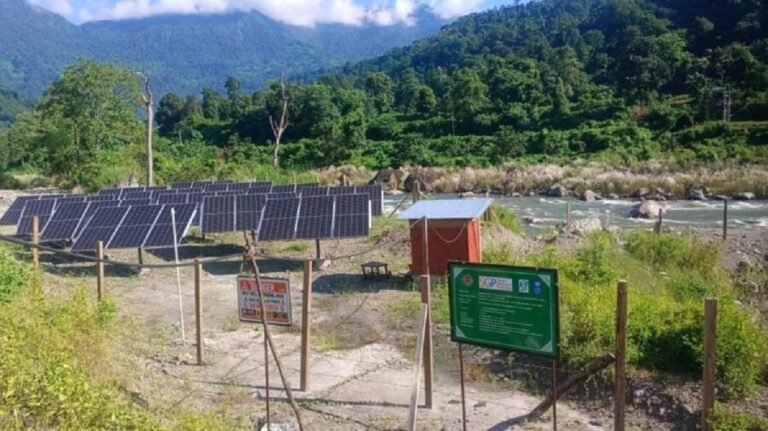
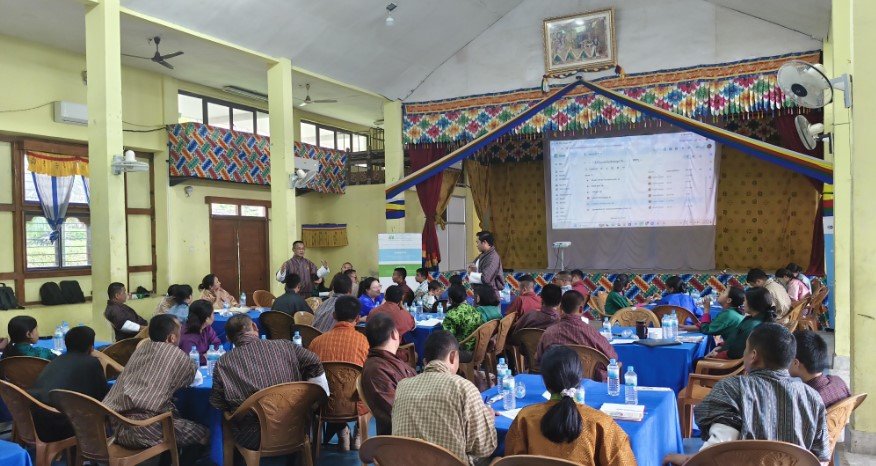
Civil Society Organizations (CSOs) operating across Bhutan are strengthening their collaborative ties with local government authorities in the Samtse district to enhance community development and service delivery at the grassroots level. Recognizing that local governments hold direct operational reach in rural gewogs, representatives from various non-governmental groups met with district administration officials to build formal frameworks for resource sharing and joint project execution. The initiative aims to align non-profit programs—ranging from sustainable agriculture and climate resilience to youth empowerment and social welfare—with local government priority plans, ensuring aid reaches underserved households without duplicating administrative efforts.
Historically, grassroots initiatives often faced implementation bottlenecks due to a lack of formal coordination between civil society actors and local leaders. By partnering directly with gup offices and dzongkhag administrations, CSOs gain essential local context and administrative support, allowing them to tailor development interventions directly to community-specific needs. District leaders in Samtse welcomed the initiative, emphasizing that closer civil society participation strengthens public accountability and boosts community involvement in local governance decisions. Moving forward, the joint framework will establish regular consultative forums between local leaders, community elders, and CSO coordinators to sustain long-term rural growth across the region.