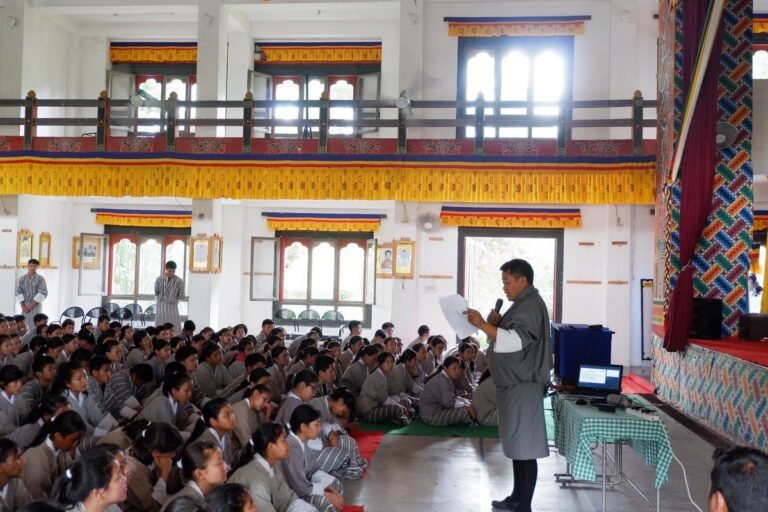
Despite its global reputation for measuring national success via Gross National Happiness (GNH) rather than traditional GDP, Bhutan is grappling with an acute brain drain crisis. Mounting domestic challenges—including high youth unemployment, limited higher-education capacity, and a lack of modern career opportunities in tech and international finance—have driven thousands of educated young citizens aged 18–35 to emigrate to nations like Australia, India, and beyond. Because Bhutan has a small total population of approximately 800,000, even modest migration outflows carry severe economic and demographic consequences, leaving behind an aging workforce funded largely by external remittances.
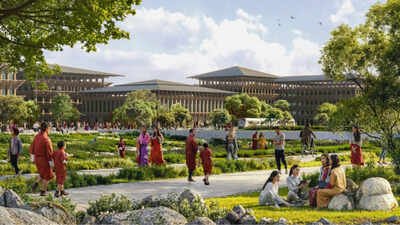
To reverse this exodus, the Bhutanese government has unveiled the Gelephu Mindfulness City (GMC) project, a high-tech, carbon-negative, special administrative region spanning over 2,000 square kilometers near the southern border with India. Designed as a mega economic corridor connecting South Asia to Southeast Asia, GMC aims to generate tens of thousands of skilled jobs across technology, renewable energy, green finance, eco-tourism, healthcare, and education. By offering flexible business regulations to attract foreign direct investment while maintaining core Buddhist heritage and environmental values, Bhutan seeks to modernize its job market and entice its educated diaspora back home.