In a definitive move to clear up rising economic anxieties, Bhutan’s Department of Geology and Mines (DGM) has formally dismissed recent public reports claiming that the nation’s coal reserves are nearing depletion. Responding to alarming projections from regional environmental statistics, the DGM asserted that the kingdom’s essential energy resources are not only far from exhausted but remain highly abundant. According to official geological assessments, Bhutan holds at least 5.65 million metric tonnes of documented coal reserves spread across 14 identified deposits. This vast supply is comfortably positioned to sustain the nation’s growing domestic industrial demand, which currently sits at approximately 200,000 metric tonnes annually.
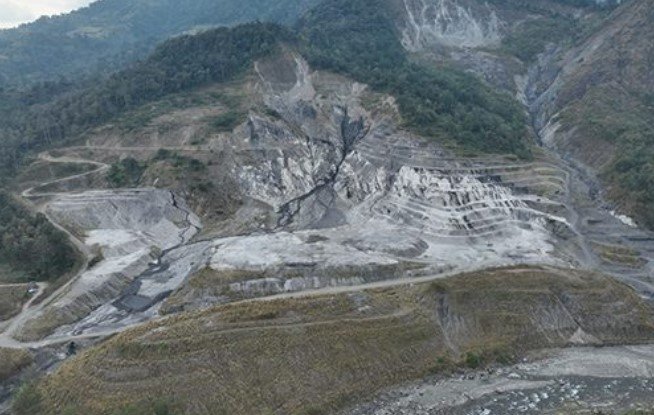
To bridge the current production deficit, the state-run State Mining Corporation Limited (SMCL) is actively extracting 130,000 metric tonnes of coal from its main operational sites in Tshophangma and Rishore. Furthermore, the government has recently approved a massive 1,000-acre extension in the Rishore area to aggressively scale up extraction capacity. The DGM clarified that Bhutan’s primary coal occurrences are nestled within the highly complex Permian Gondwana geological formation, which stretches continuously from the western Manas River all the way to the eastern border. Because of the region’s intense tectonic activity, many of these rich coal deposits remain deeply buried and fragmented, making precise quantification difficult but by no means indicating a lack of resources. As the DGM moves to transition ten more identified exploration sites into active production, the agency has reassured industries that Bhutan’s energy security is thoroughly protected, with ample reserves available to power the nation’s industrial engines well into the foreseeable future.