
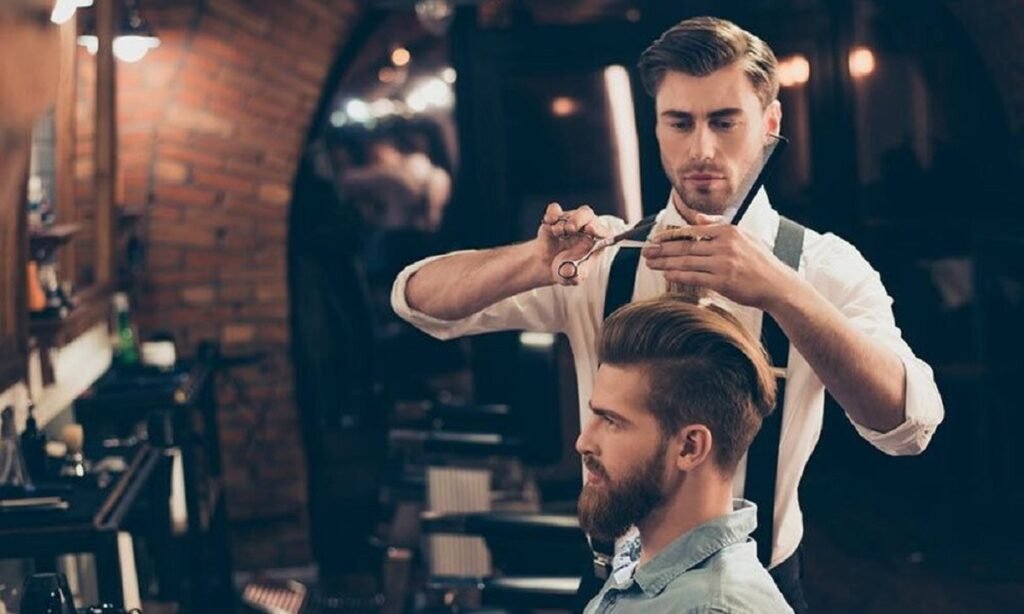
Haircutters in Thimphu are undergoing a subtle but noticeable transformation. Formerly a straightforward service focused on basic haircuts, it has now developed into a profession influenced by client experience, style, hygiene, and increasing competition. Barber shops across the capital are no longer just places for a quick trim. moment, they serve as spaces where guests seek not only a hairstyle but also confidence, comfort, and a personalized look. This shift is largely driven by changing client prospects, particularly among youngish guests. “Guests moment knows exactly what they want,” said Sonam Jamshoro, 42, a hairstylist in Thimphu. “Numerous show filmland from social media and anticipate the same style. before, people were satisfied with a simple hairstyle, but now they want clean finishing and a fresh, fashionable look.”
From fades and beard styling to hair coloring and ultramodern cuts, haircutters are now anticipated to keep up with global trends. This has pushed numerous to continuously upgrade their chops, understand different hair textures and face shapes, and ameliorate communication with guests. The relationship between haircutters and guests has also come more particular over time. Regular guests frequently return not just for the service, but for familiarity and trust. “For regular guests, we formerly know their preferences,” said Pema Yeshi, 35. “Some do not indeed need to explain. Trust is veritably important in this work.”
Hygiene has surfaced as another critical factor in the profession. guests are decreasingly attentive to cleanliness, from sanitized tools and fresh blades to clean napkins and well- maintained chairpersons. “A good hairstyle is important, but guests also notice cleanliness,” one hairstylist said. However, they may not come back, “If the shop is n’t clean.”
Social media has further amplified this competition. Platforms like Facebook, Instagram, and TikTok are now crucial tools for showcasing work and reaching new guests. At the same time, rising competition is reshaping the original barbering geography. With further shops opening across the megacity, haircutters are expanding their services to attract guests. Immolations similar as hair washing, head massages, home services, and quick- service options are getting more common. “When guests like the hairstyle, they post it online or recommend us, ” said Dawa Tshering Sherpa. “Indeed, small shops now need to show there.”
still, these changes come with challenges. Running a hairstylist shop in Thimphu has come decreasingly precious, with rising costs for, serviceability, and fixing products. “People question price increases, but they do n’t always see the charges behind it,” a hairstylist noted. “To give better service, we’ve to.”
Despite long hours and physically demanding work, numerous haircutters take pride in their profession. Decreasingly, barbering is being recognized not just as a trade, but as a professed and creative career that offers independence and business openings As Thimphu continues to grow, the barbering assiduity is anticipated to evolve alongside it. With advanced prospects for quality, hygiene, and professionalism, haircutters are conforming to meet the demands of a changing civic life. The hairstylist president may remain unchanged, but the work around it reflects a profession in transition — one defined by skill, trust, and the drive to keep pace with a modernizing megacity.