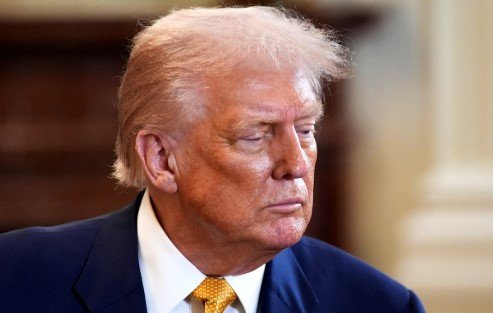
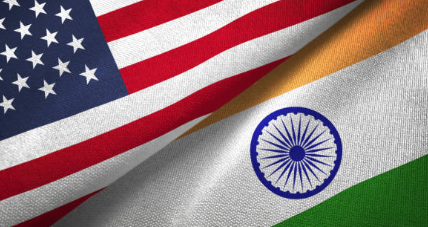
The interim trade framework unveiled by the United States and India this Saturday represents a pivotal recalibration of their bilateral economic partnership, concluding nearly a year of arduous negotiations. This formalization arrives shortly after U.S. President Donald Trump publicly confirmed that a consensus had been reached, signaling a strategic truce in a period defined by trade friction. While many of the specific technicalities are slated for refinement in upcoming discussions, the framework establishes a definitive understanding regarding tariff structures, expanded market access, and enhanced cooperation across key industrial sectors.
A central component of this agreement involves the United States reducing its “reciprocal tariffs,” a move intended to lower the barriers for Indian exports entering the American market. This adjustment is expected to provide much-needed relief to Indian manufacturers, particularly in labor-intensive industries that have struggled under previous protectionist measures. By addressing these fiscal hurdles, the deal aims to restore a sense of equilibrium to a relationship that had become increasingly strained by retaliatory duties and policy disagreements.
Significantly, the negotiations reveal that the United States chose to respect India’s established “red lines”—the non-negotiable policy boundaries that New Delhi maintains to protect its domestic economy. By stopping short of these critical limits, Washington has demonstrated a pragmatic willingness to prioritize a long-term strategic alliance over immediate, aggressive trade demands. This approach has allowed both nations to find common ground without forcing India to compromise on sensitive areas such as agricultural protections or data sovereignty, which have historically been major sticking points in bilateral talks.
The framework also outlines a roadmap for sectoral cooperation, particularly in high-tech and energy domains. As India looks to modernize its infrastructure and transition its energy sources, the deal facilitates easier access to American technology and resources. In return, the U.S. secures a more predictable regulatory environment for its firms operating within the Indian subcontinent. This “give-and-take” philosophy is designed to foster a more resilient supply chain and reduce the mutual dependence on adversarial economic actors.
In summary, while this interim pact is not yet a final, comprehensive free trade agreement, it serves as a crucial foundational document. It effectively halts the cycle of escalation and replaces it with a structured path toward deeper economic integration. By balancing American market demands with India’s sovereign economic priorities, the framework sets the stage for a new era of Indo-US diplomacy, characterized by mutual economic benefit and a shared vision for a stable global trade order. Both nations are expected to continue high-level dialogues in the coming months to finalize the granular details of this landmark reset.