Earlier, Bhutanese experts and an independent foreign expert had recommended abandoning the P1 dam site in favour of constructing a barrage at an alternative location, after studies identified structural weaknesses in the right bank. However, Bhutan agreed to proceed with the dam at the same site following a request from the Indian side.
With climate change expected to intensify flooding risks, concerns have since been raised about the adequacy of measures to prevent failure of the right bank. Addressing these concerns, the Ministry of Energy and Natural Resources stated during a press meet that the long-term safety and stability of the dam remain its highest priority, and that strengthening the right bank is therefore essential.
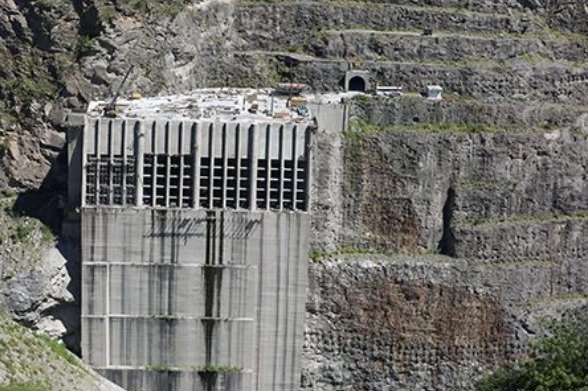
The planned stabilisation measures include removal of overburden above the national highway on both the upstream and downstream sides of the dam axis; construction of 2-metre-diameter reinforced cement concrete (RCC) piles; installation of high-capacity cable anchors; and construction of drainage wells to lower groundwater levels.
In addition, a diversion tunnel will be used to facilitate future maintenance of the stilling basin and associated structures. The stilling basin itself will be designed based on hydraulic model studies conducted by the Central Water and Power Research Station (CWPRS), India. An enhanced early warning system for glacial lake outburst floods (GLOFs), along with improved instrumentation to monitor the right bank slope, will also be implemented.
Overall, the ministry said that a combination of advanced engineering solutions, continuous monitoring, and proactive risk management will be employed to ensure the long-term stability and safety of the dam and its appurtenant structures.